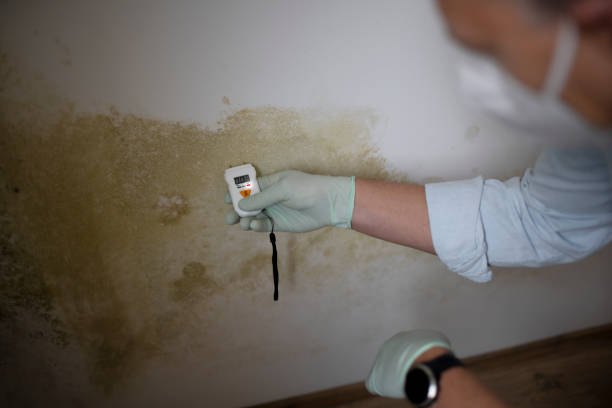
Mold is a common household issue that can develop in damp, poorly ventilated, or water-damaged environments. While it might seem like a minor inconvenience, mold growth can have significant consequences for both the structural integrity of your home and the health of its occupants. Understanding how to test for mold and address it effectively is essential for maintaining a safe, healthy living environment.
Why Home Mold Testing Matters
Home mold testing helps identify the presence of mold and determines its type and concentration. This information is crucial because not all molds are visible or easily identifiable. Some molds may grow behind walls, under carpets, or in HVAC systems, where they continue to spread unnoticed.
Here’s why testing is an important step:
– Protecting Health: Certain types of mold release allergens, irritants, or toxic substances (mycotoxins) that may lead to respiratory issues, allergies, headaches, or more severe health concerns.
– Preventing Structural Damage: Mold can weaken wood framing, drywall, insulation, and other building materials if left unaddressed.
– Identifying Hidden Issues: You may not always see or smell mold. Testing helps detect hidden colonies before they cause larger problems.
– Targeted Remediation: Identifying the specific type of mold informs remediation strategies and ensures effective removal without unnecessary measures.
Common Methods for Identifying Mold
Homeowners can often spot signs of a potential mold problem using their senses or simple tools before professional testing is required. Look for the following warning signs:
1. Visible Growth: Any unusual black, green, white, or gray spots on walls, ceilings, floors—or anywhere in damp areas—may indicate mold presence. 2. Musty Odors: Persistent earthy smells in certain areas are often linked to hidden mold colonies. 3. Water Damage Indicators: Stains on ceilings/walls or bubbling/peeling paint suggest possible moisture issues conducive to mold growth.
If any of these signs appear prominently in your home but the source remains unclear (e.g., no visible surface growth), professional testing should be considered.
DIY vs Professional Mold Testing
| Factor | DIY Test Kits | Professional Testing |
| Cost | Affordable | Higher upfront cost |
| Accuracy | May vary; user-dependent | High accuracy with lab analysis |
| Detection Range | Limited | Comprehensive (air/surface/bulk) |
| Expert Recommendations | Not included | Includes tailored advice |
While DIY kits can serve as a quick preliminary option for detecting surface-level growths in small areas like bathrooms or basements, comprehensive problems warrant professional attention.
What Happens After Testing?
Once you confirm the presence of mold through reliable testing methods: 1. Identify the moisture source causing its growth (e.g., roof leaks or poor ventilation). Fix this issue first; otherwise—remediation efforts won’t last long-term. 2. Pursue remediation based upon contamination severity: – Small-scale infestations may only require cleaning with specialized antimicrobial solutions. – Large widespread infestations beyond 10 square feet should involve certified professionals trained specifically against hazardous materials handling. 3.. Reassess preventive measures via ongoing monitoring afterward
Recognizing the Warning Signs: Expert Tips for Mold Remediation Lakeland, FL
Identifying mold early is crucial to mitigating its growth and preventing potential health risks or structural damage to your home. Mold often thrives in hidden, damp areas, making it challenging to detect without proper attention. Below, we outline common warning signs that can help you identify a potential mold problem.
Common Visual Indicators of Mold
- Black, green, brown, or even white patches may appear on surfaces.
- Stains that reappear after cleaning are also a red flag.
- Persistent moisture can cause paint to peel or bubble.
- Warped walls may indicate mold growing inside the drywall.
- Any visible patches of mold should never be ignored, even if they seem small.
Unpleasant Odors as a Warning Sign
- Persistent damp smells in certain areas of the home like basements or bathrooms.
- Strong odors near HVAC vents, which could signal mold within the ductwork.
If the smell worsens after rain or humidity increases, this is another sign that mold might be present.
Physical Symptoms Related to Mold Exposure
- Allergy-like reactions such as sneezing, coughing, and watery eyes.
- Respiratory issues including wheezing or difficulty breathing.
- Chronic fatigue and headaches with no clear cause.
- Skin irritations like rashes when spending time in certain rooms.
If symptoms decrease when away from home but worsen upon returning, this could point to an indoor mold issue.
Environmental Red Flags
| Condition | Why It’s Important |
| Humidity Above 60% | High humidity creates an ideal environment for mold growth. |
| Water Leaks | Leaking pipes or roofs supply moisture for colonies to thrive. |
| Flooding History | Homes previously impacted by flooding often harbor lingering moisture issues. |
Ensure these contributing factors are addressed quickly to prevent mold from spreading further.
Hidden Sources of Mold Growth
- Beneath carpets and rugs after water damage.
- Behind wallpaper where moisture gets trapped.
- Inside ventilation systems if filters are not regularly cleaned.
- Around window frames due to condensation build-up.
Regularly inspect these locations if you suspect a potential problem.
Recognizing these signs is key to addressing and stopping mold before it becomes a serious issue for your health and property value. Early identification allows you to take action and consult professionals if necessary.
Mold Testing Lakeland, FL: Recognizing the Warning Signs of a Potential Problem
Mold growth can often go unnoticed until it becomes a serious problem. Recognizing the early warning signs of mold is essential for safeguarding both your health and your property. Below, we delve into how to identify mold issues and the key indicators that suggest further investigation or professional testing may be required.
Physical Signs of Mold
One of the most visible indicators of mold growth is its appearance on surfaces. Mold can manifest in various colors and textures, depending on the species and environmental conditions.
- Discoloration: Look for black, green, white, or even orange patches on walls, ceilings, baseboards, or other surfaces.
- Texture Changes: Mold may appear as fuzzy spots, slimy textures, or powdery streaks.
- Water Stains: Areas that have experienced water damage often develop stains that could harbor hidden mold colonies.
- Peeling Paint or Wallpaper: Excess moisture beneath painted walls or wallpaper can cause bubbling, peeling, or warping that may signal an underlying mold problem.
Odor as an Indicator
Even before visual signs emerge, you might notice a persistent musty smell in certain areas of your home. This odor is caused by compounds released during active mold growth and is often most noticeable in enclosed spaces like basements, closets, or crawlspaces.
Pay attention to areas with poor ventilation where stagnant air allows odors to linger longer.
Water Damage and Excess Moisture
- Leaking Pipes: Under sinks or behind walls.
- Flooding Damage: Basements or low-level areas prone to flooding are at high risk for mold development.
- Condensation Buildup: Excess condensation on windowsills or HVAC components can indicate high humidity levels conducive to mold growth.
If you’ve experienced recent water damage from events like heavy rainfall or plumbing issues, it’s crucial to monitor these areas closely for potential signs of mold.
Potential Health Symptoms Related to Mold Exposure
- Sneezing
- Nasal congestion
- Itchy eyes
- Skin irritation
- Persistent coughing
For individuals with respiratory conditions like asthma or allergies, exposure could result in more severe reactions such as wheezing or difficulty breathing. If these symptoms persist only when at home but improve elsewhere, it’s worth investigating a possible mold issue within your living space.
Hidden Mold Growth
| Area | Common Culprit |
| Beneath flooring | Leaks from appliances |
| Behind drywall | Internal pipe leaks |
| Inside HVAC systems | Accumulated moisture |
| Under sinks | Persistent drips |
Hidden sources often require professional inspection tools like infrared cameras and moisture meters for detection if physical clues are absent.
Recognizing these warning signs early helps maintain a healthy environment while preventing structural damage from worsening over time. By keeping an eye out for visible symptoms and addressing moisture concerns promptly, homeowners can mitigate risks associated with unchecked mold growth effectively.
When to Consider Lakeland Mold Removal Services After Water Damage or Other Events
Mold testing is a critical step in identifying and addressing potential mold problems in your home, especially after specific events that create ideal conditions for mold growth. The timing of testing can make a significant difference in the extent of damage and health risks posed by mold. Below, we explore situations where mold testing becomes essential.
Situations That Warrant Mold Testing
- After Flooding or Water Leaks:
Any water intrusion, whether from flooding, pipe leaks, or roof damage, creates moist environments where mold thrives. Testing ensures that hidden mold colonies are identified before they spread further. - Post-Storm Damage:
Severe storms often lead to water entering through damaged roofing, windows, or foundations. Mold can begin growing within 24-48 hours after water exposure if not properly addressed. - Visible Water Stains or Discoloration:
Even if water damage seems minor on the surface, stains on walls or ceilings can be a sign of underlying issues that lead to hidden mold problems. Testing helps confirm if remediation is needed. - Persistent Musty Odors:
A consistent musty smell is often a red flag for hidden mold growth behind walls or under flooring. Mold testing can help pinpoint the source of the odor and guide removal efforts.
Why Timing Matters for Mold Testing
- Prevent Costly Repairs: If left untreated, small patches of mold can spread rapidly, leading to more extensive structural damage and higher remediation costs later on.
- Protect Health: Certain molds release allergens and mycotoxins that may cause respiratory issues, skin irritation, or even long-term health conditions when exposure persists.
- Ensure Proper Remediation Planning: Early detection allows professionals to accurately assess the scope of contamination and determine the most effective removal strategies.
- Verify Results After Cleanup: Post-remediation testing confirms whether cleanup efforts were successful and ensures no lingering spores remain.
Recommended Timeframe for Testing
| Event Type | Suggested Timeline for Mold Testing |
| Water leaks (minor) | Within 48 hours to detect early stage growth |
| Flooding/major water intrusion | Immediately after drying efforts conclude |
| Storm damage | Within a week if moisture exposure occurred |
| Recurring moisture issues | Periodically until root causes are resolved |
Key Takeaway
Whenever water-related events occur in your property or there are signs such as persistent odors or visible stains, conducting timely mold testing helps protect both your home’s structural integrity and your personal well-being from potential health hazards caused by unchecked mold growth.

Types of Mold Testing: Exploring Air, Surface, and Bulk Sampling Methods
Understanding the various mold testing methods is critical when trying to identify and address mold issues in your home or property. Each testing method has specific use cases based on the extent and location of the suspected contamination. Below, we’ll explore air sampling, surface sampling, and bulk sampling methods to help you determine which approach may be most appropriate for your situation.
Air Sampling
- You suspect hidden mold growth but cannot visibly locate it.
- Mold-related health symptoms persist even after remediation efforts.
- You want to assess indoor air quality compared to outdoor conditions.
How it Works: 1. A specialized device, such as an air pump with a spore trap or a culture plate, collects airborne particles. 2. The collected sample is sent to a laboratory for analysis to identify types and concentrations of mold spores.
Benefits: – Identifies invisible airborne mold spores. – Helps determine if indoor air quality poses potential health risks.
Limitations: – Results may fluctuate depending on environmental conditions like humidity or ventilation at the time of testing.
Surface Sampling
- Confirming whether visible discoloration or residue contains mold.
- Determining the type of mold present on specific surfaces.
Common Techniques: 1. Swab Testing: A swab is rubbed over the suspected area and sealed in a sterile container for lab examination. 2. Tape Lifts: A piece of clear adhesive tape is pressed onto a surface to collect particles for analysis.
Advantages: – Provides direct evidence of mold presence on surfaces. – Useful in evaluating remediation efforts by checking if surfaces are clean post-treatment.
Drawbacks: – Limited scope since it only analyzes specific areas sampled.
Bulk Sampling
- Severe infestations have caused structural material damage.
- You need detailed insights into contamination within building materials.
Process Overview: 1. A section of the affected material is carefully removed for laboratory testing. 2. The lab examines both active growth and dormant spores within the material.
Key Benefits: – Provides comprehensive data about internal contamination levels. – Identifies sources contributing significantly to poor indoor air quality.
Potential Drawbacks: – Invasive method that may require cutting or removing parts of structures.
| Testing Method | Best For… | Key Limitation |
| Air Sampling | Detecting airborne spores | Results vary with environmental factors |
| Surface Sampling | Confirming visible contamination | Limited to sampled areas |
| Bulk Sampling | Assessing material-based growth | Invasive; requires material removal |
Choosing the Right Method
Selecting an appropriate testing method depends on factors like visibility of mold, property type, extent of damage, and health concerns related to exposure. Professional assessment often combines multiple techniques for accuracy and thoroughness. By understanding these methods, you can take proactive steps toward identifying potential risks while ensuring your space remains safe for occupants.
Understanding Health Risks of Mold Exposure and the Importance of Lakeland, FL Mold Removal
Mold exposure is a serious issue that can significantly impact your health and the safety of your home environment. Understanding the potential risks associated with mold exposure is critical to mitigating its effects and safeguarding your well-being. Below, we explore the various health concerns tied to mold exposure, who is most at risk, and why addressing mold issues promptly is essential.
How Mold Affects Health
- Wheezing or shortness of breath
- Aggravation of asthma symptoms
- Chronic coughing or sneezing
- Skin irritation such as rashes or hives
- Nasal congestion or runny nose
- Red or watery eyes
- Headaches or migraines
- Difficulty concentrating (“brain fog”)
- Fatigue
Groups Especially Vulnerable to Mold Exposure
- Children and Infants – Developing immune systems make them more susceptible to respiratory illnesses caused by mold spores.
- Elderly Individuals – Age-related declines in immunity heighten sensitivity to mold-related allergens.
- People with Pre-existing Respiratory Conditions – Those with asthma, COPD, or other lung diseases may experience exacerbated symptoms due to mold presence.
- Immunocompromised Individuals – People undergoing treatments like chemotherapy or living with conditions that weaken the immune system are particularly vulnerable.
Chronic Exposure Risks
| Symptom Category | Examples | Potential Impacts |
| Respiratory Issues | Persistent asthma attacks, bronchitis | Reduced lung function |
| Immune System Suppression | Increased infections | Difficulty recovering from illnesses |
| Neurological Complications | Memory loss, anxiety | Impact on quality of life |
Why Immediate Action is Crucial
- Mold spreads quickly in moist environments (e.g., after water damage), increasing remediation costs if not addressed promptly.
- Prolonged exposure may lead to irreversible damage in sensitive individuals’ respiratory systems.
- Structural damage caused by unchecked mold growth can compromise building integrity.
To protect yourself and your family from these risks, it’s essential to proactively manage indoor moisture levels, regularly inspect for signs of mold growth (such as discoloration or musty odors), and seek professional assessment when necessary.
Taking early steps can prevent long-lasting effects on both your physical well-being and property value while fostering a healthier living space for all occupants.
- Mold Removal Company Lakeland, FL: What It Is, Why It Matters, and When You Need It
- Understanding Why Lakeland, FL Mold Removal Is Crucial for Your Home
- Comprehensive Guide to Choosing the Best Mold Removal Company Lakeland, FL
- Essential Tips for Lakeland, FL Mold Removal and Prevention in Your Home
- Complete Guide to Choosing a Mold Removal Company Lakeland, FL Homebuyers Can Trust
- Effective Lakeland, FL Mold Removal: Causes, Prevention, and Safe Removal Methods