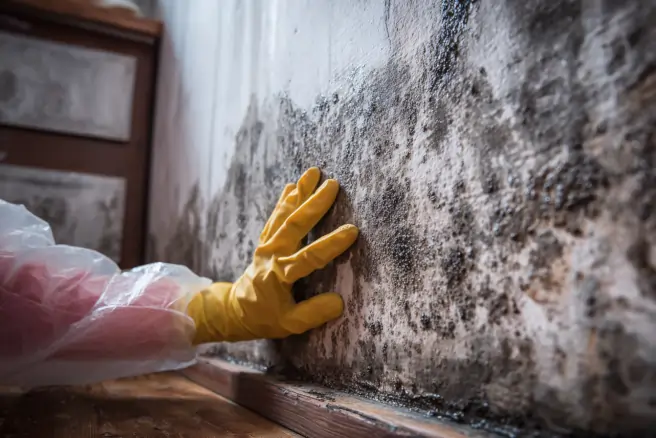
Mold testing plays a critical role in identifying the presence and type of mold in residential or commercial properties. Mold, a common household issue, can pose significant risks to health and structural integrity if not properly addressed. Understanding mold testing—what it involves, why it is essential, and when to conduct it—helps property owners make informed decisions to ensure a safe living or working environment.
What Is Mold Testing?
- Air Sampling: Used to measure airborne mold spores.
- Surface Sampling: Tests physical surfaces for visible mold growth.
- Bulk Testing: Examines materials like drywall or carpet that may contain mold.
This process provides valuable insights into whether mold is present and its potential impact on health and property.
Why Mold Testing Matters
- Health Protection: Certain types of molds, such as Stachybotrys chartarum (commonly referred to as black mold), are known to cause allergies, respiratory issues, headaches, and even severe complications for those with compromised immune systems.
- Preventing Structural Damage: Mold can damage wood, drywall, insulation, and other porous materials over time if left unchecked.
- Addressing Hidden Growth: While some molds are visible on walls or ceilings, others grow out of sight behind walls or under flooring. Regular testing ensures these hidden threats are identified.
When Do You Need Mold Testing?
- Dark spots on walls or ceilings.
- Discolored grout in bathrooms or kitchens.
- A musty odor often indicates hidden moisture problems that encourage mold growth.
- Unexplained coughing, sneezing, skin irritation, watery eyes, or asthma attacks may point toward indoor air quality issues caused by elevated levels of airborne spores.
- Flooding incidents often create conditions suitable for rapid fungal growth.
- Homebuyers may request testing during inspections before finalizing purchases to avoid inheriting costly remediation challenges.
- After addressing existing infestations via professional remediation services (such as removal), periodic follow-up tests confirm the problem has been fully resolved.
Factors That Influence Test Accuracy
While effective overall when performed correctly under controlled protocols outlined by industry standards (e.g., AIHA-certified technicians), several variables might skew results depending upon conditions onsite at sampling times such aspects like humidity indoors fluctuating beyond ideal ranges naturally occur affecting sample collection reliability accuracy being key every analysis phase!
Understanding Mold Remediation Lakeland, FL: Types of Mold Testing and How to Choose the Right One
Coastal Mold Testing LLC
625 Christina Lake Dr, Lakeland, FL 33813
+18633162584
https://www.coastalmoldtesting.com
Mold testing is a critical step in identifying and addressing mold issues in residential, commercial, or industrial spaces. Choosing the right type of mold test is essential to ensure accurate results and effective remediation. This guide will explore the various types of mold testing, their purposes, and how to determine which method suits your specific situation.
Common Types of Mold Testing
- Purpose: Detects mold spores suspended in the air.
- Method: A specialized pump collects air samples over a defined period. These samples are then analyzed in a lab to determine spore concentrations.
- Best For: Identifying airborne mold that may not be visible or cases where occupants experience respiratory symptoms.
- Purpose: Identifies mold growth on surfaces.
- Method: Swabs or tape lifts are used to collect samples directly from walls, ceilings, furniture, or other affected surfaces.
- Best For: Verifying whether visible discoloration is indeed mold.
- Purpose: Tests for mold presence within materials.
- Method: Sections of contaminated materials (e.g., drywall or carpet) are removed and sent for laboratory analysis.
- Best For: Situations where structural materials appear compromised by moisture or fungal growth.
- Purpose: Detects moisture accumulation that could promote hidden mold growth.
- Method: Infrared cameras identify temperature variations associated with damp areas within walls or floors.
- Best For: Locating potential problem areas without disturbing structures.
- Purpose: Provides a comprehensive evaluation of indoor space using DNA-based technology.
- Method: Dust samples from your home are tested for up to 36 types of indoor molds.
- Best For: Long-term evaluations or determining historical exposure risks.
Pros and Cons of Each Testing Method
| Type | Pros | Cons |
| Air Sampling | Detects invisible airborne spores; actionable health data | Results can vary based on timing/environment |
| Surface Sampling | Direct identification; simple process | Only detects surface-level contamination |
| Bulk Sampling | Accurate material-specific results | Destructive method |
| Infrared Imaging | Non-invasive; identifies hidden threats without damage | Cannot confirm active mold presence |
| ERMI Testing | Highly detailed; tracks historical exposure trends | Expensive; requires professional expertise |
Choosing the Right Mold Testing Method
- Extent of Visible Mold Growth
If you see visible patches of discoloration or suspect surface contamination, surface sampling or bulk sampling may suffice. - Health Concerns
If occupants experience allergies, asthma exacerbation, or other respiratory symptoms but no visible signs exist, air sampling can identify hidden issues. - History of Water Damage
Past flooding or leaks increases the risk of structural damage and hidden molds—infrared imaging combined with air sampling is ideal here. - Budgetary Constraints
Simpler tests like surface swabs tend to be less expensive than ERMI testing but may not provide extensive insights into long-term exposure risks. - Regulatory Requirements
In some cases (e.g., rentals), compliance with legal standards may necessitate specific testing methods like bulk sampling combined with laboratory analysis.
When to Seek Professional Assistance
While DIY tests are available online or at hardware stores, their accuracy often falls short due to limited scope and interpretation difficulties. Professionals bring specialized equipment, expertise in sample collection techniques, and access to certified laboratories for reliable results.
Investing in professional guidance ensures you not only obtain accurate data but also receive tailored recommendations for remediation if required.
Understanding Mold Testing in Lakeland, FL: Choosing the Right Method for Your Needs
When mold becomes a concern in your home or building, understanding the various types of mold testing can help you make informed decisions about assessing and addressing the problem. Each type of testing has its purpose, benefits, and limitations. This guide provides an overview of the main types of mold testing to help you select the most appropriate method for your needs.
Common Types of Mold Testing
- Air Sampling
Air sampling is one of the most common methods used to detect mold spores in indoor environments. It involves collecting air samples and analyzing them in a laboratory for mold spore concentration and species identification.- Helps determine if airborne spores are present.
- Provides insight into indoor air quality.
- May not identify hidden mold growth within walls or other inaccessible areas.
- Can produce inconsistent results due to fluctuating spore levels.
- Surface Testing
Surface sampling involves collecting potential mold material directly from surfaces using swabs, tape, or bulk samples. These samples are then analyzed in a lab.- Useful for identifying visible molds on specific surfaces.
- Can confirm whether discoloration is indeed mold growth.
- Does not assess airborne spores.
- Limited scope if only small areas are sampled.
- Bulk Testing
This method involves physically removing a section of material suspected of harboring mold (e.g., drywall, insulation) for laboratory analysis.- Provides detailed information on specific contaminated materials.
- Useful when investigating extensive damage.
- Destructive approach; may require restoration work afterward.
- Culture-Based Testing
In this method, collected samples are grown in laboratory conditions to identify the type and quantity of viable (living) molds.- Identifies live molds capable of reproduction.
- Useful for understanding potential health risks from active colonies.
- Time-consuming as culturing requires days or weeks.
- Infrared Thermography (Moisture Mapping)
While not directly detecting mold, thermal imaging helps locate areas with high moisture—which is a precursor to mold growth.- Non-invasive way to find hidden moisture leaks behind walls or ceilings.
- Can indicate areas that require further testing.
- Limitations:: Not foolproof; requires cross-referencing w/other methods like surface testings
Effective Lakeland Mold Removal Services for Your Home or Building
Mold can pose serious health risks and structural damage if left unaddressed. If you discover mold in your home or building, it’s essential to act promptly and methodically to prevent further growth and mitigate potential hazards. Below are actionable steps to help you effectively address this issue.
1. Assess the Extent of the Problem
- Visible inspection: Look for discoloration, spots, or fuzzy patches on walls, ceilings, floors, and other surfaces.
- Smell test: Pay attention to musty odors that often accompany mold growth.
- Hidden areas: Inspect less obvious places like behind furniture, under carpets, inside HVAC systems, and in damp basements.
For more extensive infestations or cases where the source isn’t obvious, consider hiring a professional mold inspector to perform a thorough assessment.
2. Identify and Address Moisture Sources
- Check for water leaks: Look for leaking pipes, roofs, windows, or appliances.
- Inspect for condensation issues: Excess humidity can lead to condensation on windows and walls.
- Ensure proper ventilation: Poor airflow in areas like bathrooms and kitchens can lead to moisture buildup.
Use a dehumidifier if necessary and repair any identified sources of water intrusion before proceeding with cleanup efforts.
3. Contain the Mold
- Seal off affected areas with plastic sheeting or tarps.
- Turn off HVAC systems temporarily to avoid circulating spores throughout your home.
- Limit access to the contaminated area.
Proper containment minimizes cross-contamination and protects unaffected spaces.
4. Decide Between DIY Cleanup vs. Professional Remediation
| Size of Affected Area | Recommended Action |
| Less than 10 square feet | DIY cleanup using appropriate tools |
| More than 10 square feet | Consult a professional remediation team |
Professional services are also recommended for toxic molds such as Stachybotrys chartarum (black mold) or when mold has penetrated structural materials like drywall or insulation.
5. Follow Proper Cleaning Procedures
- Wear protective gear (e.g., gloves, goggles, N95 respirator).
- Use specialized cleaning products such as commercial fungicides or a homemade mixture of bleach (1 cup) diluted with water (1 gallon).
- Scrub hard surfaces thoroughly with brushes or cloths.
- Dispose of porous materials like carpets that cannot be cleaned effectively.
- Dry all cleaned areas completely within 24–48 hours using fans or dehumidifiers.
Avoid painting over mold without removing it as this only masks the problem temporarily.
6. Test for Remaining Mold Growth
- Conduct air quality tests using at-home kits.
- Hire professionals who use advanced tools like thermal imaging cameras to detect hidden moisture pockets where mold might regrow.
Testing ensures that your living environment is safe moving forward.
7. Implement Preventative Measures
- Keep indoor humidity levels below 50%.
- Regularly inspect your property for leaks and signs of excess moisture.
- Ensure good ventilation in high-moisture areas (e.g., bathrooms).
- Use anti-mold paints when repainting interior surfaces prone to dampness.
Preventative efforts save time, money, and ensure long-term protection against recurring problems.
By following these steps systematically after discovering mold in your home or building, you can safeguard both your health and property from its damaging effects while creating a safer living space moving forward.
How Professional Mold Testing Can Help Ensure a Safe Living Environment
Professional mold testing serves as a critical step in maintaining a safe and healthy living environment. By identifying mold presence, assessing potential risks, and guiding remediation efforts, professionals can help address mold issues effectively. Here’s how professional mold testing contributes to creating a safer indoor space.
Accurate Identification of Mold Types
- Allergenic molds like Cladosporium or Alternaria can trigger asthma and allergies.
- Pathogenic molds such as Aspergillus fumigatus may pose risks to individuals with weakened immune systems.
- Toxigenic molds, including the infamous Stachybotrys chartarum (black mold), produce mycotoxins that can cause severe health complications.
Knowing which type of mold is present ensures effective mitigation strategies are employed.
Comprehensive Inspection and Testing
- Air sampling: Measures airborne spores to evaluate indoor air quality.
- Surface sampling: Identifies active growth on walls, furniture, or HVAC systems.
- Bulk sampling: Examines physical materials like drywall for contamination.
- Moisture mapping: Detects water intrusion that may foster future mold growth.
These methods provide a thorough understanding of the extent of the problem, ensuring no affected area is overlooked.
| Testing Method | Purpose | Ideal Use Case |
| Air Sampling | Measures airborne spore levels | When respiratory symptoms are reported |
| Surface Sampling | Identifies visible growth | To confirm suspected surface contamination |
| Bulk Sampling | Analyzes physical materials for spores | During extensive renovations or repairs |
| Moisture Mapping | Locates water sources | Preventive monitoring in humid areas |
Protecting Your Health
Professional testing not only detects existing mold but also assesses potential health risks posed by exposure. Mold-related illnesses can manifest as respiratory issues, headaches, skin irritation, or fatigue. A professional’s expertise helps mitigate these dangers by recommending effective solutions tailored to your specific situation.
Ensuring Reliable Remediation
- Identify areas requiring immediate attention.
- Recommend proper containment methods to prevent spore spread during cleanup.
- Suggest certified remediation services with proven techniques.
- Offer follow-up testing post-remediation to confirm success.
This systematic approach reduces recurrence rates and ensures long-term safety.
Supporting Legal and Insurance Compliance
In some cases, property owners may need documentation of professional testing for legal or insurance purposes. A certified report offers evidence that you’ve taken appropriate steps toward addressing potential hazards—whether it’s for tenant disputes or filing an insurance claim after water damage.
By leveraging expertise in technology-driven diagnostics, professionals play an integral role in safeguarding your home environment from harmful molds while promoting long-term well-being.
Recognizing When You Should Consider Mold Testing for Your Property
Mold can be a silent intruder in homes and buildings, often spreading unnoticed until it becomes a significant problem. Recognizing the circumstances under which mold testing is necessary can help protect your health, property, and peace of mind. Below are key scenarios when you should consider scheduling mold testing.
1. After Water Damage
Water damage caused by leaks, floods, or plumbing issues creates the perfect environment for mold growth. Mold thrives in damp conditions, and even a small amount of residual moisture can trigger its spread. If your property has experienced any water-related incidents, it’s advisable to test for mold to ensure no hidden colonies are compromising the space.
2. Visible Signs of Mold
If you notice discoloration on walls, ceilings, or floors—especially black, green, or white fuzzy patches—this could indicate mold growth. Even if the visible area appears small, what you see might just be the tip of a larger infestation hidden behind surfaces or within structural elements such as drywall or insulation.
3. Persistent Musty Odor
A musty smell that doesn’t go away with regular cleaning may signal mold growth somewhere in your property. Mold often hides in areas that are not immediately visible (e.g., behind wallpaper or under carpeting), so odor alone is a strong reason to conduct comprehensive testing.
4. Unexplained Health Issues
Mold exposure can cause or exacerbate respiratory problems such as asthma and allergies. Common symptoms include coughing, sneezing, itchy eyes, headaches, and fatigue. If household members experience these issues without any other clear causes—particularly during time spent indoors—it’s worth investigating whether mold could be a factor.
| Health Symptoms Potentially Caused by Mold | Examples |
| Respiratory discomfort | Coughing, wheezing |
| Allergic reactions | Sneezing, runny nose |
| Skin irritation | Rashes |
| Neurological symptoms | Headaches |
5. Buying or Selling Property
When purchasing or selling a property, it’s essential to assess its condition thoroughly—including checking for potential mold problems. Professional mold testing ensures transparency about indoor air quality and helps prevent disputes related to hidden damage after a transaction is complete.
6. Post-Mold Remediation Verification
After completing mold remediation efforts in your home or building, follow-up testing ensures that the issue has been fully resolved and no traces of contamination remain.
Benefits of Detecting Mold Early
- Cost savings: Addressing minor issues early prevents costly structural repairs later.
- Health protection: Early detection minimizes allergen exposure.
- Property value preservation: A clean inspection report increases buyer confidence during real estate transactions.
By knowing when to consider professional mold testing services for your property based on visible signs as well as subtle indicators like odors or health concerns—you ensure better living conditions both now and long-term.
Comprehensive Guide to Legal and Health Compliance Considerations for Mold Removal
When dealing with mold removal, it’s critical to understand and adhere to the relevant legal and health compliance standards. These regulations are designed to safeguard occupant health, ensure proper remediation processes, and prevent recurring problems. Below is a detailed guide on the key compliance aspects to keep in mind.
Understanding Legal Obligations for Mold Removal
- Landlord-Tenant Laws: In many jurisdictions, landlords are legally required to address mold problems promptly when tenants report them. Failure to do so could result in fines or lawsuits.
- Environmental Standards: Some states have specific guidelines for indoor air quality and mold remediation procedures. Examples include California’s Toxic Mold Protection Act.
- Building Codes: Mold issues often arise from water damage or poor ventilation. Ensuring compliance with local building codes can help prevent these issues.
Be sure to consult with your local government or a legal expert specializing in environmental law for more information on specific requirements in your area.
Health Compliance Measures
- Use plastic sheeting or barriers to isolate affected areas.
- Employ negative air machines equipped with HEPA filters during remediation.
- Workers should wear gloves, goggles, N95 respirators, or more advanced masks if required.
- Disposable coveralls may be necessary depending on the severity of contamination.
- Remove contaminated materials like drywall or carpeting following EPA disposal recommendations.
- Double-bag materials in heavy-duty plastic bags before discarding them according to local waste management laws.
Documentation Requirements for Legal Compliance
| Type of Documentation | Importance |
| Inspection Reports | Show evidence of the initial problem and support decisions made for removal. |
| Remediation Plans | Outline step-by-step actions taken during cleanup efforts. |
| Air Quality Test Results | Verify that spore levels meet acceptable standards post-remediation. |
| Contractor Certifications | Ensure hired professionals have necessary licenses or certifications if required locally. |
Accurate documentation becomes particularly critical if legal disputes arise over liability or tenant safety concerns.
Hiring Certified Professionals
- The Institute of Inspection Cleaning and Restoration Certification (IICRC)
- National Organization of Remediators and Mold Inspectors (NORMI)
Choosing a certified professional not only ensures regulatory compliance but also provides peace of mind that your property is being handled safely.
Avoiding Common Compliance Pitfalls
- Never attempt shortcuts like painting over visible mold without addressing its root cause.
- Avoid using unapproved chemicals that could pose additional risks.
- Regularly monitor moisture levels in previously affected areas as part of preventative maintenance.
By staying informed about legal obligations and health standards, you can effectively manage mold removal while protecting occupants’ well-being as well as avoiding potential legal challenges down the line.
- Mold Removal Company Lakeland, FL: What It Is, Why It Matters, and When You Need It
- Understanding Why Lakeland, FL Mold Removal Is Crucial for Your Home
- Comprehensive Guide to Choosing the Best Mold Removal Company Lakeland, FL
- Essential Tips for Lakeland, FL Mold Removal and Prevention in Your Home
- Complete Guide to Choosing a Mold Removal Company Lakeland, FL Homebuyers Can Trust
- Effective Lakeland, FL Mold Removal: Causes, Prevention, and Safe Removal Methods