Mold Removal Company Lakeland, FL: What It Is, Why It Matters, and When You Need It
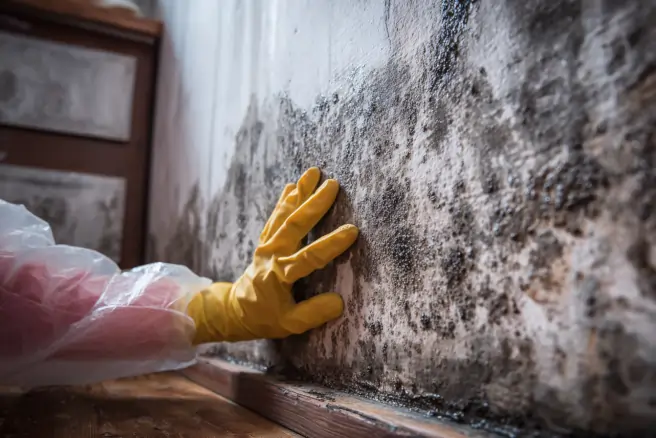
Mold testing plays a critical role in identifying the presence and type of mold in residential or commercial properties. Mold, a common household issue, can pose significant risks to health and structural integrity if not properly addressed. Understanding mold testing—what it involves, why it is essential, and when to conduct it—helps property owners make informed decisions to ensure a safe living or working environment.
What Is Mold Testing?
- Air Sampling: Used to measure airborne mold spores.
- Surface Sampling: Tests physical surfaces for visible mold growth.
- Bulk Testing: Examines materials like drywall or carpet that may contain mold.
This process provides valuable insights into whether mold is present and its potential impact on health and property.
Why Mold Testing Matters
- Health Protection: Certain types of molds, such as Stachybotrys chartarum (commonly referred to as black mold), are known to cause allergies, respiratory issues, headaches, and even severe complications for those with compromised immune systems.
- Preventing Structural Damage: Mold can damage wood, drywall, insulation, and other porous materials over time if left unchecked.
- Addressing Hidden Growth: While some molds are visible on walls or ceilings, others grow out of sight behind walls or under flooring. Regular testing ensures these hidden threats are identified.
When Do You Need Mold Testing?
- Dark spots on walls or ceilings.
- Discolored grout in bathrooms or kitchens.
- A musty odor often indicates hidden moisture problems that encourage mold growth.
- Unexplained coughing, sneezing, skin irritation, watery eyes, or asthma attacks may point toward indoor air quality issues caused by elevated levels of airborne spores.
- Flooding incidents often create conditions suitable for rapid fungal growth.
- Homebuyers may request testing during inspections before finalizing purchases to avoid inheriting costly remediation challenges.
- After addressing existing infestations via professional remediation services (such as removal), periodic follow-up tests confirm the problem has been fully resolved.
Factors That Influence Test Accuracy
While effective overall when performed correctly under controlled protocols outlined by industry standards (e.g., AIHA-certified technicians), several variables might skew results depending upon conditions onsite at sampling times such aspects like humidity indoors fluctuating beyond ideal ranges naturally occur affecting sample collection reliability accuracy being key every analysis phase!
Understanding Mold Remediation Lakeland, FL: Types of Mold Testing and How to Choose the Right One
Coastal Mold Testing LLC
625 Christina Lake Dr, Lakeland, FL 33813
+18633162584
https://www.coastalmoldtesting.com
Mold testing is a critical step in identifying and addressing mold issues in residential, commercial, or industrial spaces. Choosing the right type of mold test is essential to ensure accurate results and effective remediation. This guide will explore the various types of mold testing, their purposes, and how to determine which method suits your specific situation.
Common Types of Mold Testing
- Purpose: Detects mold spores suspended in the air.
- Method: A specialized pump collects air samples over a defined period. These samples are then analyzed in a lab to determine spore concentrations.
- Best For: Identifying airborne mold that may not be visible or cases where occupants experience respiratory symptoms.
- Purpose: Identifies mold growth on surfaces.
- Method: Swabs or tape lifts are used to collect samples directly from walls, ceilings, furniture, or other affected surfaces.
- Best For: Verifying whether visible discoloration is indeed mold.
- Purpose: Tests for mold presence within materials.
- Method: Sections of contaminated materials (e.g., drywall or carpet) are removed and sent for laboratory analysis.
- Best For: Situations where structural materials appear compromised by moisture or fungal growth.
- Purpose: Detects moisture accumulation that could promote hidden mold growth.
- Method: Infrared cameras identify temperature variations associated with damp areas within walls or floors.
- Best For: Locating potential problem areas without disturbing structures.
- Purpose: Provides a comprehensive evaluation of indoor space using DNA-based technology.
- Method: Dust samples from your home are tested for up to 36 types of indoor molds.
- Best For: Long-term evaluations or determining historical exposure risks.
Pros and Cons of Each Testing Method
| Type | Pros | Cons |
| Air Sampling | Detects invisible airborne spores; actionable health data | Results can vary based on timing/environment |
| Surface Sampling | Direct identification; simple process | Only detects surface-level contamination |
| Bulk Sampling | Accurate material-specific results | Destructive method |
| Infrared Imaging | Non-invasive; identifies hidden threats without damage | Cannot confirm active mold presence |
| ERMI Testing | Highly detailed; tracks historical exposure trends | Expensive; requires professional expertise |
Choosing the Right Mold Testing Method
- Extent of Visible Mold Growth
If you see visible patches of discoloration or suspect surface contamination, surface sampling or bulk sampling may suffice. - Health Concerns
If occupants experience allergies, asthma exacerbation, or other respiratory symptoms but no visible signs exist, air sampling can identify hidden issues. - History of Water Damage
Past flooding or leaks increases the risk of structural damage and hidden molds—infrared imaging combined with air sampling is ideal here. - Budgetary Constraints
Simpler tests like surface swabs tend to be less expensive than ERMI testing but may not provide extensive insights into long-term exposure risks. - Regulatory Requirements
In some cases (e.g., rentals), compliance with legal standards may necessitate specific testing methods like bulk sampling combined with laboratory analysis.
When to Seek Professional Assistance
While DIY tests are available online or at hardware stores, their accuracy often falls short due to limited scope and interpretation difficulties. Professionals bring specialized equipment, expertise in sample collection techniques, and access to certified laboratories for reliable results.
Investing in professional guidance ensures you not only obtain accurate data but also receive tailored recommendations for remediation if required.
Understanding Mold Testing in Lakeland, FL: Choosing the Right Method for Your Needs
When mold becomes a concern in your home or building, understanding the various types of mold testing can help you make informed decisions about assessing and addressing the problem. Each type of testing has its purpose, benefits, and limitations. This guide provides an overview of the main types of mold testing to help you select the most appropriate method for your needs.
Common Types of Mold Testing
- Air Sampling
Air sampling is one of the most common methods used to detect mold spores in indoor environments. It involves collecting air samples and analyzing them in a laboratory for mold spore concentration and species identification.- Helps determine if airborne spores are present.
- Provides insight into indoor air quality.
- May not identify hidden mold growth within walls or other inaccessible areas.
- Can produce inconsistent results due to fluctuating spore levels.
- Surface Testing
Surface sampling involves collecting potential mold material directly from surfaces using swabs, tape, or bulk samples. These samples are then analyzed in a lab.- Useful for identifying visible molds on specific surfaces.
- Can confirm whether discoloration is indeed mold growth.
- Does not assess airborne spores.
- Limited scope if only small areas are sampled.
- Bulk Testing
This method involves physically removing a section of material suspected of harboring mold (e.g., drywall, insulation) for laboratory analysis.- Provides detailed information on specific contaminated materials.
- Useful when investigating extensive damage.
- Destructive approach; may require restoration work afterward.
- Culture-Based Testing
In this method, collected samples are grown in laboratory conditions to identify the type and quantity of viable (living) molds.- Identifies live molds capable of reproduction.
- Useful for understanding potential health risks from active colonies.
- Time-consuming as culturing requires days or weeks.
- Infrared Thermography (Moisture Mapping)
While not directly detecting mold, thermal imaging helps locate areas with high moisture—which is a precursor to mold growth.- Non-invasive way to find hidden moisture leaks behind walls or ceilings.
- Can indicate areas that require further testing.
- Limitations:: Not foolproof; requires cross-referencing w/other methods like surface testings
Effective Lakeland Mold Removal Services for Your Home or Building
Mold can pose serious health risks and structural damage if left unaddressed. If you discover mold in your home or building, it’s essential to act promptly and methodically to prevent further growth and mitigate potential hazards. Below are actionable steps to help you effectively address this issue.
1. Assess the Extent of the Problem
- Visible inspection: Look for discoloration, spots, or fuzzy patches on walls, ceilings, floors, and other surfaces.
- Smell test: Pay attention to musty odors that often accompany mold growth.
- Hidden areas: Inspect less obvious places like behind furniture, under carpets, inside HVAC systems, and in damp basements.
For more extensive infestations or cases where the source isn’t obvious, consider hiring a professional mold inspector to perform a thorough assessment.
2. Identify and Address Moisture Sources
- Check for water leaks: Look for leaking pipes, roofs, windows, or appliances.
- Inspect for condensation issues: Excess humidity can lead to condensation on windows and walls.
- Ensure proper ventilation: Poor airflow in areas like bathrooms and kitchens can lead to moisture buildup.
Use a dehumidifier if necessary and repair any identified sources of water intrusion before proceeding with cleanup efforts.
3. Contain the Mold
- Seal off affected areas with plastic sheeting or tarps.
- Turn off HVAC systems temporarily to avoid circulating spores throughout your home.
- Limit access to the contaminated area.
Proper containment minimizes cross-contamination and protects unaffected spaces.
4. Decide Between DIY Cleanup vs. Professional Remediation
| Size of Affected Area | Recommended Action |
| Less than 10 square feet | DIY cleanup using appropriate tools |
| More than 10 square feet | Consult a professional remediation team |
Professional services are also recommended for toxic molds such as Stachybotrys chartarum (black mold) or when mold has penetrated structural materials like drywall or insulation.
5. Follow Proper Cleaning Procedures
- Wear protective gear (e.g., gloves, goggles, N95 respirator).
- Use specialized cleaning products such as commercial fungicides or a homemade mixture of bleach (1 cup) diluted with water (1 gallon).
- Scrub hard surfaces thoroughly with brushes or cloths.
- Dispose of porous materials like carpets that cannot be cleaned effectively.
- Dry all cleaned areas completely within 24–48 hours using fans or dehumidifiers.
Avoid painting over mold without removing it as this only masks the problem temporarily.
6. Test for Remaining Mold Growth
- Conduct air quality tests using at-home kits.
- Hire professionals who use advanced tools like thermal imaging cameras to detect hidden moisture pockets where mold might regrow.
Testing ensures that your living environment is safe moving forward.
7. Implement Preventative Measures
- Keep indoor humidity levels below 50%.
- Regularly inspect your property for leaks and signs of excess moisture.
- Ensure good ventilation in high-moisture areas (e.g., bathrooms).
- Use anti-mold paints when repainting interior surfaces prone to dampness.
Preventative efforts save time, money, and ensure long-term protection against recurring problems.
By following these steps systematically after discovering mold in your home or building, you can safeguard both your health and property from its damaging effects while creating a safer living space moving forward.
How Professional Mold Testing Can Help Ensure a Safe Living Environment
Professional mold testing serves as a critical step in maintaining a safe and healthy living environment. By identifying mold presence, assessing potential risks, and guiding remediation efforts, professionals can help address mold issues effectively. Here’s how professional mold testing contributes to creating a safer indoor space.
Accurate Identification of Mold Types
- Allergenic molds like Cladosporium or Alternaria can trigger asthma and allergies.
- Pathogenic molds such as Aspergillus fumigatus may pose risks to individuals with weakened immune systems.
- Toxigenic molds, including the infamous Stachybotrys chartarum (black mold), produce mycotoxins that can cause severe health complications.
Knowing which type of mold is present ensures effective mitigation strategies are employed.
Comprehensive Inspection and Testing
- Air sampling: Measures airborne spores to evaluate indoor air quality.
- Surface sampling: Identifies active growth on walls, furniture, or HVAC systems.
- Bulk sampling: Examines physical materials like drywall for contamination.
- Moisture mapping: Detects water intrusion that may foster future mold growth.
These methods provide a thorough understanding of the extent of the problem, ensuring no affected area is overlooked.
| Testing Method | Purpose | Ideal Use Case |
| Air Sampling | Measures airborne spore levels | When respiratory symptoms are reported |
| Surface Sampling | Identifies visible growth | To confirm suspected surface contamination |
| Bulk Sampling | Analyzes physical materials for spores | During extensive renovations or repairs |
| Moisture Mapping | Locates water sources | Preventive monitoring in humid areas |
Protecting Your Health
Professional testing not only detects existing mold but also assesses potential health risks posed by exposure. Mold-related illnesses can manifest as respiratory issues, headaches, skin irritation, or fatigue. A professional’s expertise helps mitigate these dangers by recommending effective solutions tailored to your specific situation.
Ensuring Reliable Remediation
- Identify areas requiring immediate attention.
- Recommend proper containment methods to prevent spore spread during cleanup.
- Suggest certified remediation services with proven techniques.
- Offer follow-up testing post-remediation to confirm success.
This systematic approach reduces recurrence rates and ensures long-term safety.
Supporting Legal and Insurance Compliance
In some cases, property owners may need documentation of professional testing for legal or insurance purposes. A certified report offers evidence that you’ve taken appropriate steps toward addressing potential hazards—whether it’s for tenant disputes or filing an insurance claim after water damage.
By leveraging expertise in technology-driven diagnostics, professionals play an integral role in safeguarding your home environment from harmful molds while promoting long-term well-being.
Recognizing When You Should Consider Mold Testing for Your Property
Mold can be a silent intruder in homes and buildings, often spreading unnoticed until it becomes a significant problem. Recognizing the circumstances under which mold testing is necessary can help protect your health, property, and peace of mind. Below are key scenarios when you should consider scheduling mold testing.
1. After Water Damage
Water damage caused by leaks, floods, or plumbing issues creates the perfect environment for mold growth. Mold thrives in damp conditions, and even a small amount of residual moisture can trigger its spread. If your property has experienced any water-related incidents, it’s advisable to test for mold to ensure no hidden colonies are compromising the space.
2. Visible Signs of Mold
If you notice discoloration on walls, ceilings, or floors—especially black, green, or white fuzzy patches—this could indicate mold growth. Even if the visible area appears small, what you see might just be the tip of a larger infestation hidden behind surfaces or within structural elements such as drywall or insulation.
3. Persistent Musty Odor
A musty smell that doesn’t go away with regular cleaning may signal mold growth somewhere in your property. Mold often hides in areas that are not immediately visible (e.g., behind wallpaper or under carpeting), so odor alone is a strong reason to conduct comprehensive testing.
4. Unexplained Health Issues
Mold exposure can cause or exacerbate respiratory problems such as asthma and allergies. Common symptoms include coughing, sneezing, itchy eyes, headaches, and fatigue. If household members experience these issues without any other clear causes—particularly during time spent indoors—it’s worth investigating whether mold could be a factor.
| Health Symptoms Potentially Caused by Mold | Examples |
| Respiratory discomfort | Coughing, wheezing |
| Allergic reactions | Sneezing, runny nose |
| Skin irritation | Rashes |
| Neurological symptoms | Headaches |
5. Buying or Selling Property
When purchasing or selling a property, it’s essential to assess its condition thoroughly—including checking for potential mold problems. Professional mold testing ensures transparency about indoor air quality and helps prevent disputes related to hidden damage after a transaction is complete.
6. Post-Mold Remediation Verification
After completing mold remediation efforts in your home or building, follow-up testing ensures that the issue has been fully resolved and no traces of contamination remain.
Benefits of Detecting Mold Early
- Cost savings: Addressing minor issues early prevents costly structural repairs later.
- Health protection: Early detection minimizes allergen exposure.
- Property value preservation: A clean inspection report increases buyer confidence during real estate transactions.
By knowing when to consider professional mold testing services for your property based on visible signs as well as subtle indicators like odors or health concerns—you ensure better living conditions both now and long-term.
Comprehensive Guide to Legal and Health Compliance Considerations for Mold Removal
When dealing with mold removal, it’s critical to understand and adhere to the relevant legal and health compliance standards. These regulations are designed to safeguard occupant health, ensure proper remediation processes, and prevent recurring problems. Below is a detailed guide on the key compliance aspects to keep in mind.
Understanding Legal Obligations for Mold Removal
- Landlord-Tenant Laws: In many jurisdictions, landlords are legally required to address mold problems promptly when tenants report them. Failure to do so could result in fines or lawsuits.
- Environmental Standards: Some states have specific guidelines for indoor air quality and mold remediation procedures. Examples include California’s Toxic Mold Protection Act.
- Building Codes: Mold issues often arise from water damage or poor ventilation. Ensuring compliance with local building codes can help prevent these issues.
Be sure to consult with your local government or a legal expert specializing in environmental law for more information on specific requirements in your area.
Health Compliance Measures
- Use plastic sheeting or barriers to isolate affected areas.
- Employ negative air machines equipped with HEPA filters during remediation.
- Workers should wear gloves, goggles, N95 respirators, or more advanced masks if required.
- Disposable coveralls may be necessary depending on the severity of contamination.
- Remove contaminated materials like drywall or carpeting following EPA disposal recommendations.
- Double-bag materials in heavy-duty plastic bags before discarding them according to local waste management laws.
Documentation Requirements for Legal Compliance
| Type of Documentation | Importance |
| Inspection Reports | Show evidence of the initial problem and support decisions made for removal. |
| Remediation Plans | Outline step-by-step actions taken during cleanup efforts. |
| Air Quality Test Results | Verify that spore levels meet acceptable standards post-remediation. |
| Contractor Certifications | Ensure hired professionals have necessary licenses or certifications if required locally. |
Accurate documentation becomes particularly critical if legal disputes arise over liability or tenant safety concerns.
Hiring Certified Professionals
- The Institute of Inspection Cleaning and Restoration Certification (IICRC)
- National Organization of Remediators and Mold Inspectors (NORMI)
Choosing a certified professional not only ensures regulatory compliance but also provides peace of mind that your property is being handled safely.
Avoiding Common Compliance Pitfalls
- Never attempt shortcuts like painting over visible mold without addressing its root cause.
- Avoid using unapproved chemicals that could pose additional risks.
- Regularly monitor moisture levels in previously affected areas as part of preventative maintenance.
By staying informed about legal obligations and health standards, you can effectively manage mold removal while protecting occupants’ well-being as well as avoiding potential legal challenges down the line.
- Mold Removal Company Lakeland, FL: What It Is, Why It Matters, and When You Need It
- Understanding Why Lakeland, FL Mold Removal Is Crucial for Your Home
- Comprehensive Guide to Choosing the Best Mold Removal Company Lakeland, FL
- Essential Tips for Lakeland, FL Mold Removal and Prevention in Your Home
- Complete Guide to Choosing a Mold Removal Company Lakeland, FL Homebuyers Can Trust
- Effective Lakeland, FL Mold Removal: Causes, Prevention, and Safe Removal Methods
Understanding Why Lakeland, FL Mold Removal Is Crucial for Your Home
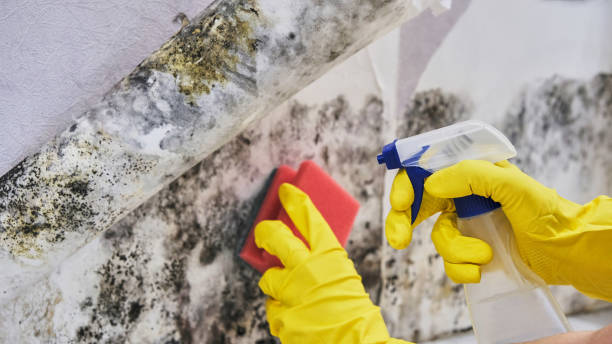
Mold is not just an unsightly problem; it can pose significant risks to both your property and health. Often, mold thrives in hidden areas, making it difficult to detect early without a professional mold inspection. Understanding when you need a mold inspection and its importance can help safeguard your home and loved ones.
Signs That You May Need a Mold Inspection
- Visible mold growth: Even small patches of visible mold could indicate larger problems.
- Musty odors: Persistent, earthy smells often point to hidden mold growth.
- Water damage: Leaks, flooding, or high humidity levels create an ideal environment for mold.
- Health symptoms: If household members experience unexplained allergies, respiratory issues, or skin irritation, it is worth investigating.
- Real estate transactions: A pre-purchase or pre-sale inspection ensures there are no hidden issues that could impact property value.
Why Mold Inspections Are Essential
- Early Detection: Identifying mold before it spreads can save significant time and money on remediation efforts.
- Accurate Assessment: Professionals use specialized tools to pinpoint the location of hidden mold in walls, ceilings, or HVAC systems.
- Health Protection: Preventing exposure to harmful molds—such as black mold (Stachybotrys chartarum)—can reduce the risk of serious health issues like asthma and chronic sinus infections.
- Property Preservation: Left untreated, mold can weaken structural materials like drywall and wood over time.
Who Should Perform a Mold Inspection?
A qualified professional should always handle mold inspections for accurate results. Certified inspectors have access to advanced tools such as thermal imaging cameras, moisture meters, and air quality testing equipment to identify moisture sources and contamination levels.
| Professional Inspector Tools | Purpose |
| Thermal imaging cameras | Detect temperature changes indicating water leaks |
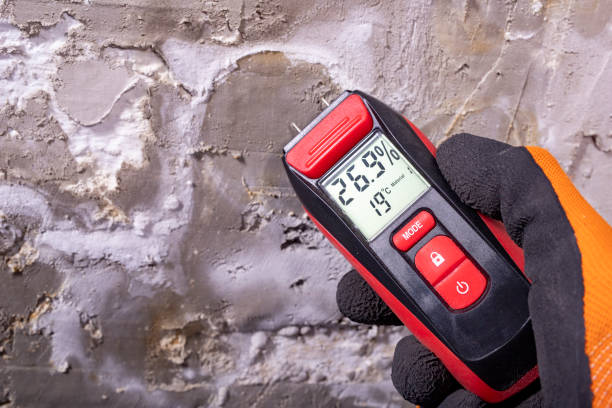
| Moisture meters | Measure dampness levels in walls or flooring |
| Air sampling pumps | Identify airborne spore concentrations |
When Is the Right Time for an Inspection?
- After any natural disaster involving water (e.g., floods or hurricanes).
- Following persistent plumbing issues or roof leaks.
- During seasonal transitions if humidity increases indoors.
- Before moving into a new property.
A proactive approach to addressing potential problems ensures that any necessary remediation is performed before the situation worsens.
By prioritizing regular inspections when warranted, homeowners can maintain a healthy living environment while protecting their investment in the long term.
Finding the Best Mold Removal Company Lakeland, FL: Why Mold Testing Matters
Mold testing plays a critical role in identifying the presence, type, and extent of mold contamination within your home. While visual inspections provide initial clues, testing ensures a precise understanding of the problem. This process not only helps validate the presence of mold but also supports tailored remediation strategies. Below, we break down why mold testing is essential and how it influences effective mold removal.
Why Mold Testing is Essential
- Identifies Hidden Mold Growth
Mold often grows in areas that are not visible, such as inside walls, under flooring, or in HVAC systems. Testing can detect spores that may otherwise go unnoticed during a visual inspection. - Determines Mold Types
Not all molds are equally harmful. Testing identifies specific strains (e.g., black mold or Aspergillus) and helps assess the potential health risks to occupants. - Quantifies Spore Levels
By measuring airborne spore concentrations, testing provides insight into the severity of contamination and whether indoor levels exceed normal background levels. - Supports Health Assessments
For individuals with allergies or respiratory conditions, identifying the specific molds present can inform medical interventions or preventive measures.
Types of Mold Testing
- Air Sampling: Collects air samples to measure spore levels and compare indoor vs. outdoor air quality.
- Surface Sampling: Swabs or tape lifts are used to collect samples directly from affected surfaces.
- Bulk Sampling: Involves physically removing materials (e.g., drywall) for laboratory analysis.
- Culture Testing: Cultures allow labs to grow mold samples under controlled conditions to identify species accurately.
| Test Type | Purpose | Key Advantage |
| Air Sampling | Detect airborne spores | Identifies hidden issues |
| Surface Sampling | Confirm visible contamination | Targeted analysis |
| Bulk Sampling | Assess material infestation | Detailed lab results |
How Mold Testing Informs Remediation
- Pinpointing Problem Areas: Test results highlight high-concentration zones requiring immediate attention.
- Customizing Solutions: Different types of mold require different cleaning agents and techniques.
- Ensuring Complete Removal: Post-remediation tests verify that spore levels have returned to safe ranges.
- Preventing Future Growth: Insights from testing can guide recommendations on ventilation improvements or moisture control measures.
What to Expect from Laboratory Results
- A breakdown of identified species (e.g., Penicillium/Aspergillus).
- Spore counts per cubic meter of air or sample area analyzed.
- Comparisons between indoor and outdoor spore counts.
- Recommendations based on health guidelines (where applicable).
These results provide valuable data for both homeowners and professionals tasked with creating an effective remediation plan.
Understanding the role of mold testing empowers homeowners to take proactive measures against infestations while ensuring any removal efforts are precise and comprehensive.
The Importance of Mold Remediation Lakeland, FL, in Ensuring a Safe and Healthy Home
Mold testing is a critical component of identifying and addressing mold-related issues within a property. It goes beyond visual inspection to determine the type, concentration, and spread of mold spores, enabling a more targeted and effective remediation process. Below, we explore the importance of mold testing, the methods used, and how it fits into the broader strategy for mold removal.
Why Is Mold Testing Important?
- Accurate Identification: Not all molds are harmful or require remediation. Testing helps distinguish between harmful molds (e.g., Stachybotrys chartarum, commonly known as black mold) versus non-toxic strains.
- Extent of Contamination: Testing can reveal whether mold has spread into hidden areas such as HVAC systems, behind walls, or under floorboards.
- Air Quality Assessment: Mold spores can affect indoor air quality. Testing evaluates spore concentration in the air to assess potential health risks.
- Post-Remediation Verification: After remediation, additional testing confirms that all mold has been effectively removed.
Types of Mold Testing Methods
| Test Type | Description | Use Case |
| Air Sampling | Captures airborne spores for analysis in a laboratory. | Assesses indoor air quality and spore concentration. |
| Surface Sampling | Collects samples from physical surfaces using swabs or tape lifts. | Identifies visible growth areas on walls or furniture. |
| Bulk Sampling | Involves removing sections of material (e.g., drywall) for laboratory analysis. | Determines deep contamination in building materials. |
| Culture Testing | Spores are cultivated in controlled environments to identify specific species present. | Useful for identifying species requiring special handling. |
These tests may be combined based on the severity or nature of contamination.
When Should You Consider Mold Testing?
- Visible Signs of Mold Growth
If discoloration or fuzzy patches appear on walls, ceilings, or other surfaces. - Unexplained Health Symptoms
Persistent allergies, respiratory issues, or headaches may indicate elevated spore levels. - Water Damage Events
Flooding or leaks often create an ideal environment for hidden mold growth. - Property Transactions
Ensuring a property is free from mold issues before buying or selling can prevent future liabilities. - Post-Remediation Checks
Verification through testing ensures that cleanup efforts have been successful.
Role of Mold Testing in Effective Removal
- Targeted remediation strategies prevent unnecessary demolition.
- Specialized cleaning agents can be selected based on test results.
- Helps avoid spreading spores during removal by pinpointing containment zones.
Testing also enables proactive measures by revealing potential problem areas that may not yet have visible signs of infestation but could worsen over time without attention.
Ultimately, incorporating detailed and reliable test results into your overall strategy ensures that both immediate concerns with existing infestations and long-term prevention efforts are addressed effectively—protecting your home’s structural integrity and improving indoor air quality for its occupants over time.

Comprehensive Mold Testing Lakeland, FL: Uncover Hidden Mold Issues
A mold inspection report is a comprehensive document that outlines the findings of a professional mold inspection. It serves as a vital resource for understanding the extent of mold presence, potential sources, and recommendations for remediation. The detailed nature of this report can help homeowners and businesses make informed decisions on how to address hidden mold problems effectively.
Key Components of a Mold Inspection Report
- Visual Observations
The inspector will document visible mold growth or areas showing evidence of water damage. This section often includes photographs to illustrate the severity and location of visible issues. - Moisture Mapping
Using specialized tools such as moisture meters or infrared cameras, inspectors map out areas where moisture levels are higher than normal. These areas may indicate hidden mold colonies behind walls, under flooring, or in ceilings. - Air Sampling Results
If air samples were taken during the inspection, this section will include lab results indicating the concentration and types of mold spores present in the indoor air. Elevated spore counts can signal active mold growth not immediately detectable through visual observation. - Surface Sampling Data
In cases where surface swabs or tape lifts were conducted, the report will detail what types of molds are growing on specific surfaces. This can help pinpoint contamination sources and assess whether different areas require varying remediation strategies. - Humidity Levels and Environmental Factors
The report may outline conditions within your home that promote mold growth, such as high indoor humidity levels or poor ventilation. Addressing these root causes is essential to prevent future infestations. - Hidden Mold Concerns
A thorough inspection often reveals hidden problem areas that aren’t outwardly obvious. Examples might include leaks inside walls, poorly sealed HVAC systems harboring spores, or hidden damp zones beneath insulation or carpets.
How Hidden Mold Issues Are Identified
- Infrared Thermal Imaging: Detects temperature variations caused by moisture behind walls or under floors.
- Borescope Inspections: Small cameras inserted into cavities give inspectors visibility inside hard-to-reach spaces.
- Building Material Sampling: Analysis from collected samples may reveal contamination lurking deep within drywall, wood framing, or other structural components.
- Odor Detection Methods: Musty smells noted during an inspection are frequently linked to concealed colonies requiring further investigation.
Why a Detailed Report Matters
| Issue Identified | Recommended Action |
| High Moisture Areas | Repair plumbing leaks; improve drainage systems |
| Elevated Airborne Spore Count | Install HEPA air filters; dehumidify living spaces |
| Hidden Wall Contamination | Remove affected drywall; treat internal framing |
By addressing each item outlined in the report systematically, you ensure not just removal but also prevention against future occurrences.
Steps After Receiving Your Report
- Prioritize immediate actions like fixing water leaks to halt further spread.
- Consult with certified professionals for tailored remediation plans based on lab data.
- Take preventive measures by improving ventilation and controlling indoor humidity levels below 50%.
The insights provided in this type of assessment are invaluable when it comes to safeguarding your property and health against the adverse effects of hidden molds.
Expert Lakeland Mold Removal Services for Precise and Thorough Remediation
Mold remediation is a process that requires accuracy and careful planning to ensure all traces of mold are thoroughly removed. Relying on lab data can significantly enhance the effectiveness of remediation efforts, as it provides detailed insights into the type of mold present, its concentration levels, and potential health risks. Below is a breakdown of how lab data supports precise and thorough removal.
Steps Involved in Mold Remediation Using Lab Data
- A trained professional conducts an inspection to identify visible mold or signs of its presence (e.g., water damage, musty odors).
- Air or surface samples are collected from the affected areas and sent to a laboratory for analysis.
- The lab identifies the mold species (e.g., Stachybotrys, Aspergillus) using advanced testing methods like spore traps or culture-based techniques.
- Quantitative results show the concentration of mold spores, helping assess whether levels exceed acceptable thresholds for indoor environments.
- Armed with lab data, professionals design a remediation plan tailored to address the specific type and extent of contamination in your home.
- This plan may include containment strategies, removal procedures, cleaning protocols, and proper disposal methods.
- Contaminated materials such as drywall or carpeting may be removed if necessary based on the severity indicated by lab data.
- HEPA vacuuming, air filtration devices (AFDs), and antimicrobial treatments are employed to eliminate spores identified by testing.
- After completing remediation efforts, additional samples are taken to confirm that mold spore concentrations have returned to normal levels as indicated by comparison with initial laboratory reports.
Benefits of Using Lab Data
- Improved Accuracy: Identifying specific molds helps determine their origins (e.g., HVAC system vs. water-damaged walls). Different molds require different treatment approaches.
- Tailored Solutions: Knowing spore counts informs decisions about containment zones and ventilation adjustments during removal.
- Health Protection: Certain molds pose greater risks; understanding their toxicity helps safeguard your family’s well-being during remediation.
- Cost Efficiency: Avoiding generalized treatments reduces wasteful spending on ineffective products or unnecessary labor.
Sample Summary Table for Lab Results
| Test Parameter | Example Value | Interpretation |
| Mold Type | Penicillium/Aspergillus | Common indoor molds; potential allergen |
| Spore Concentration (Air) | 3,000 spores/m³ | Elevated; requires intervention |
| Spore Concentration (Surface) | 450 spores/cm² | Surface cleaning necessary |
When Should You Consider Lab-Based Remediation?
While not all cases require lab testing, there are scenarios where it is especially beneficial: – Persistent respiratory issues among household members despite cleaning efforts. – Large-scale water damage that has gone untreated for days or weeks. – Visible mold growth but uncertainty about hidden contamination in HVAC systems or behind walls. – Recent unsuccessful DIY attempts at removing what appears to be stubborn mold.
By leveraging scientific data throughout every stage of remediation—from assessment to verification—you can achieve long-lasting results while maintaining a safe living environment for your family or occupants.
- Mold Removal Company Lakeland, FL: What It Is, Why It Matters, and When You Need It
- Understanding Why Lakeland, FL Mold Removal Is Crucial for Your Home
- Comprehensive Guide to Choosing the Best Mold Removal Company Lakeland, FL
- Essential Tips for Lakeland, FL Mold Removal and Prevention in Your Home
- Complete Guide to Choosing a Mold Removal Company Lakeland, FL Homebuyers Can Trust
- Effective Lakeland, FL Mold Removal: Causes, Prevention, and Safe Removal Methods
Comprehensive Guide to Choosing the Best Mold Removal Company Lakeland, FL
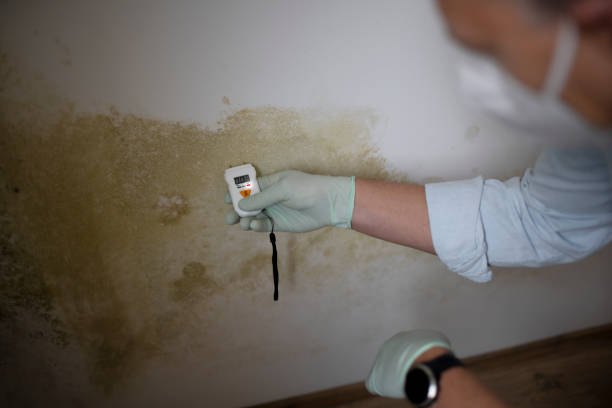
Mold is a common household issue that can develop in damp, poorly ventilated, or water-damaged environments. While it might seem like a minor inconvenience, mold growth can have significant consequences for both the structural integrity of your home and the health of its occupants. Understanding how to test for mold and address it effectively is essential for maintaining a safe, healthy living environment.
Why Home Mold Testing Matters
Home mold testing helps identify the presence of mold and determines its type and concentration. This information is crucial because not all molds are visible or easily identifiable. Some molds may grow behind walls, under carpets, or in HVAC systems, where they continue to spread unnoticed.
Here’s why testing is an important step:
– Protecting Health: Certain types of mold release allergens, irritants, or toxic substances (mycotoxins) that may lead to respiratory issues, allergies, headaches, or more severe health concerns.
– Preventing Structural Damage: Mold can weaken wood framing, drywall, insulation, and other building materials if left unaddressed.
– Identifying Hidden Issues: You may not always see or smell mold. Testing helps detect hidden colonies before they cause larger problems.
– Targeted Remediation: Identifying the specific type of mold informs remediation strategies and ensures effective removal without unnecessary measures.
Common Methods for Identifying Mold
Homeowners can often spot signs of a potential mold problem using their senses or simple tools before professional testing is required. Look for the following warning signs:
1. Visible Growth: Any unusual black, green, white, or gray spots on walls, ceilings, floors—or anywhere in damp areas—may indicate mold presence. 2. Musty Odors: Persistent earthy smells in certain areas are often linked to hidden mold colonies. 3. Water Damage Indicators: Stains on ceilings/walls or bubbling/peeling paint suggest possible moisture issues conducive to mold growth.
If any of these signs appear prominently in your home but the source remains unclear (e.g., no visible surface growth), professional testing should be considered.
DIY vs Professional Mold Testing
| Factor | DIY Test Kits | Professional Testing |
| Cost | Affordable | Higher upfront cost |
| Accuracy | May vary; user-dependent | High accuracy with lab analysis |
| Detection Range | Limited | Comprehensive (air/surface/bulk) |
| Expert Recommendations | Not included | Includes tailored advice |
While DIY kits can serve as a quick preliminary option for detecting surface-level growths in small areas like bathrooms or basements, comprehensive problems warrant professional attention.
What Happens After Testing?
Once you confirm the presence of mold through reliable testing methods: 1. Identify the moisture source causing its growth (e.g., roof leaks or poor ventilation). Fix this issue first; otherwise—remediation efforts won’t last long-term. 2. Pursue remediation based upon contamination severity: – Small-scale infestations may only require cleaning with specialized antimicrobial solutions. – Large widespread infestations beyond 10 square feet should involve certified professionals trained specifically against hazardous materials handling. 3.. Reassess preventive measures via ongoing monitoring afterward
Recognizing the Warning Signs: Expert Tips for Mold Remediation Lakeland, FL
Identifying mold early is crucial to mitigating its growth and preventing potential health risks or structural damage to your home. Mold often thrives in hidden, damp areas, making it challenging to detect without proper attention. Below, we outline common warning signs that can help you identify a potential mold problem.
Common Visual Indicators of Mold
- Black, green, brown, or even white patches may appear on surfaces.
- Stains that reappear after cleaning are also a red flag.
- Persistent moisture can cause paint to peel or bubble.
- Warped walls may indicate mold growing inside the drywall.
- Any visible patches of mold should never be ignored, even if they seem small.
Unpleasant Odors as a Warning Sign
- Persistent damp smells in certain areas of the home like basements or bathrooms.
- Strong odors near HVAC vents, which could signal mold within the ductwork.
If the smell worsens after rain or humidity increases, this is another sign that mold might be present.
Physical Symptoms Related to Mold Exposure
- Allergy-like reactions such as sneezing, coughing, and watery eyes.
- Respiratory issues including wheezing or difficulty breathing.
- Chronic fatigue and headaches with no clear cause.
- Skin irritations like rashes when spending time in certain rooms.
If symptoms decrease when away from home but worsen upon returning, this could point to an indoor mold issue.
Environmental Red Flags
| Condition | Why It’s Important |
| Humidity Above 60% | High humidity creates an ideal environment for mold growth. |
| Water Leaks | Leaking pipes or roofs supply moisture for colonies to thrive. |
| Flooding History | Homes previously impacted by flooding often harbor lingering moisture issues. |
Ensure these contributing factors are addressed quickly to prevent mold from spreading further.
Hidden Sources of Mold Growth
- Beneath carpets and rugs after water damage.
- Behind wallpaper where moisture gets trapped.
- Inside ventilation systems if filters are not regularly cleaned.
- Around window frames due to condensation build-up.
Regularly inspect these locations if you suspect a potential problem.
Recognizing these signs is key to addressing and stopping mold before it becomes a serious issue for your health and property value. Early identification allows you to take action and consult professionals if necessary.
Mold Testing Lakeland, FL: Recognizing the Warning Signs of a Potential Problem
Mold growth can often go unnoticed until it becomes a serious problem. Recognizing the early warning signs of mold is essential for safeguarding both your health and your property. Below, we delve into how to identify mold issues and the key indicators that suggest further investigation or professional testing may be required.
Physical Signs of Mold
One of the most visible indicators of mold growth is its appearance on surfaces. Mold can manifest in various colors and textures, depending on the species and environmental conditions.
- Discoloration: Look for black, green, white, or even orange patches on walls, ceilings, baseboards, or other surfaces.
- Texture Changes: Mold may appear as fuzzy spots, slimy textures, or powdery streaks.
- Water Stains: Areas that have experienced water damage often develop stains that could harbor hidden mold colonies.
- Peeling Paint or Wallpaper: Excess moisture beneath painted walls or wallpaper can cause bubbling, peeling, or warping that may signal an underlying mold problem.
Odor as an Indicator
Even before visual signs emerge, you might notice a persistent musty smell in certain areas of your home. This odor is caused by compounds released during active mold growth and is often most noticeable in enclosed spaces like basements, closets, or crawlspaces.
Pay attention to areas with poor ventilation where stagnant air allows odors to linger longer.
Water Damage and Excess Moisture
- Leaking Pipes: Under sinks or behind walls.
- Flooding Damage: Basements or low-level areas prone to flooding are at high risk for mold development.
- Condensation Buildup: Excess condensation on windowsills or HVAC components can indicate high humidity levels conducive to mold growth.
If you’ve experienced recent water damage from events like heavy rainfall or plumbing issues, it’s crucial to monitor these areas closely for potential signs of mold.
Potential Health Symptoms Related to Mold Exposure
- Sneezing
- Nasal congestion
- Itchy eyes
- Skin irritation
- Persistent coughing
For individuals with respiratory conditions like asthma or allergies, exposure could result in more severe reactions such as wheezing or difficulty breathing. If these symptoms persist only when at home but improve elsewhere, it’s worth investigating a possible mold issue within your living space.
Hidden Mold Growth
| Area | Common Culprit |
| Beneath flooring | Leaks from appliances |
| Behind drywall | Internal pipe leaks |
| Inside HVAC systems | Accumulated moisture |
| Under sinks | Persistent drips |
Hidden sources often require professional inspection tools like infrared cameras and moisture meters for detection if physical clues are absent.
Recognizing these warning signs early helps maintain a healthy environment while preventing structural damage from worsening over time. By keeping an eye out for visible symptoms and addressing moisture concerns promptly, homeowners can mitigate risks associated with unchecked mold growth effectively.
When to Consider Lakeland Mold Removal Services After Water Damage or Other Events
Mold testing is a critical step in identifying and addressing potential mold problems in your home, especially after specific events that create ideal conditions for mold growth. The timing of testing can make a significant difference in the extent of damage and health risks posed by mold. Below, we explore situations where mold testing becomes essential.
Situations That Warrant Mold Testing
- After Flooding or Water Leaks:
Any water intrusion, whether from flooding, pipe leaks, or roof damage, creates moist environments where mold thrives. Testing ensures that hidden mold colonies are identified before they spread further. - Post-Storm Damage:
Severe storms often lead to water entering through damaged roofing, windows, or foundations. Mold can begin growing within 24-48 hours after water exposure if not properly addressed. - Visible Water Stains or Discoloration:
Even if water damage seems minor on the surface, stains on walls or ceilings can be a sign of underlying issues that lead to hidden mold problems. Testing helps confirm if remediation is needed. - Persistent Musty Odors:
A consistent musty smell is often a red flag for hidden mold growth behind walls or under flooring. Mold testing can help pinpoint the source of the odor and guide removal efforts.
Why Timing Matters for Mold Testing
- Prevent Costly Repairs: If left untreated, small patches of mold can spread rapidly, leading to more extensive structural damage and higher remediation costs later on.
- Protect Health: Certain molds release allergens and mycotoxins that may cause respiratory issues, skin irritation, or even long-term health conditions when exposure persists.
- Ensure Proper Remediation Planning: Early detection allows professionals to accurately assess the scope of contamination and determine the most effective removal strategies.
- Verify Results After Cleanup: Post-remediation testing confirms whether cleanup efforts were successful and ensures no lingering spores remain.
Recommended Timeframe for Testing
| Event Type | Suggested Timeline for Mold Testing |
| Water leaks (minor) | Within 48 hours to detect early stage growth |
| Flooding/major water intrusion | Immediately after drying efforts conclude |
| Storm damage | Within a week if moisture exposure occurred |
| Recurring moisture issues | Periodically until root causes are resolved |
Key Takeaway
Whenever water-related events occur in your property or there are signs such as persistent odors or visible stains, conducting timely mold testing helps protect both your home’s structural integrity and your personal well-being from potential health hazards caused by unchecked mold growth.

Types of Mold Testing: Exploring Air, Surface, and Bulk Sampling Methods
Understanding the various mold testing methods is critical when trying to identify and address mold issues in your home or property. Each testing method has specific use cases based on the extent and location of the suspected contamination. Below, we’ll explore air sampling, surface sampling, and bulk sampling methods to help you determine which approach may be most appropriate for your situation.
Air Sampling
- You suspect hidden mold growth but cannot visibly locate it.
- Mold-related health symptoms persist even after remediation efforts.
- You want to assess indoor air quality compared to outdoor conditions.
How it Works: 1. A specialized device, such as an air pump with a spore trap or a culture plate, collects airborne particles. 2. The collected sample is sent to a laboratory for analysis to identify types and concentrations of mold spores.
Benefits: – Identifies invisible airborne mold spores. – Helps determine if indoor air quality poses potential health risks.
Limitations: – Results may fluctuate depending on environmental conditions like humidity or ventilation at the time of testing.
Surface Sampling
- Confirming whether visible discoloration or residue contains mold.
- Determining the type of mold present on specific surfaces.
Common Techniques: 1. Swab Testing: A swab is rubbed over the suspected area and sealed in a sterile container for lab examination. 2. Tape Lifts: A piece of clear adhesive tape is pressed onto a surface to collect particles for analysis.
Advantages: – Provides direct evidence of mold presence on surfaces. – Useful in evaluating remediation efforts by checking if surfaces are clean post-treatment.
Drawbacks: – Limited scope since it only analyzes specific areas sampled.
Bulk Sampling
- Severe infestations have caused structural material damage.
- You need detailed insights into contamination within building materials.
Process Overview: 1. A section of the affected material is carefully removed for laboratory testing. 2. The lab examines both active growth and dormant spores within the material.
Key Benefits: – Provides comprehensive data about internal contamination levels. – Identifies sources contributing significantly to poor indoor air quality.
Potential Drawbacks: – Invasive method that may require cutting or removing parts of structures.
| Testing Method | Best For… | Key Limitation |
| Air Sampling | Detecting airborne spores | Results vary with environmental factors |
| Surface Sampling | Confirming visible contamination | Limited to sampled areas |
| Bulk Sampling | Assessing material-based growth | Invasive; requires material removal |
Choosing the Right Method
Selecting an appropriate testing method depends on factors like visibility of mold, property type, extent of damage, and health concerns related to exposure. Professional assessment often combines multiple techniques for accuracy and thoroughness. By understanding these methods, you can take proactive steps toward identifying potential risks while ensuring your space remains safe for occupants.
Understanding Health Risks of Mold Exposure and the Importance of Lakeland, FL Mold Removal
Mold exposure is a serious issue that can significantly impact your health and the safety of your home environment. Understanding the potential risks associated with mold exposure is critical to mitigating its effects and safeguarding your well-being. Below, we explore the various health concerns tied to mold exposure, who is most at risk, and why addressing mold issues promptly is essential.
How Mold Affects Health
- Wheezing or shortness of breath
- Aggravation of asthma symptoms
- Chronic coughing or sneezing
- Skin irritation such as rashes or hives
- Nasal congestion or runny nose
- Red or watery eyes
- Headaches or migraines
- Difficulty concentrating (“brain fog”)
- Fatigue
Groups Especially Vulnerable to Mold Exposure
- Children and Infants – Developing immune systems make them more susceptible to respiratory illnesses caused by mold spores.
- Elderly Individuals – Age-related declines in immunity heighten sensitivity to mold-related allergens.
- People with Pre-existing Respiratory Conditions – Those with asthma, COPD, or other lung diseases may experience exacerbated symptoms due to mold presence.
- Immunocompromised Individuals – People undergoing treatments like chemotherapy or living with conditions that weaken the immune system are particularly vulnerable.
Chronic Exposure Risks
| Symptom Category | Examples | Potential Impacts |
| Respiratory Issues | Persistent asthma attacks, bronchitis | Reduced lung function |
| Immune System Suppression | Increased infections | Difficulty recovering from illnesses |
| Neurological Complications | Memory loss, anxiety | Impact on quality of life |
Why Immediate Action is Crucial
- Mold spreads quickly in moist environments (e.g., after water damage), increasing remediation costs if not addressed promptly.
- Prolonged exposure may lead to irreversible damage in sensitive individuals’ respiratory systems.
- Structural damage caused by unchecked mold growth can compromise building integrity.
To protect yourself and your family from these risks, it’s essential to proactively manage indoor moisture levels, regularly inspect for signs of mold growth (such as discoloration or musty odors), and seek professional assessment when necessary.
Taking early steps can prevent long-lasting effects on both your physical well-being and property value while fostering a healthier living space for all occupants.
- Mold Removal Company Lakeland, FL: What It Is, Why It Matters, and When You Need It
- Understanding Why Lakeland, FL Mold Removal Is Crucial for Your Home
- Comprehensive Guide to Choosing the Best Mold Removal Company Lakeland, FL
- Essential Tips for Lakeland, FL Mold Removal and Prevention in Your Home
- Complete Guide to Choosing a Mold Removal Company Lakeland, FL Homebuyers Can Trust
- Effective Lakeland, FL Mold Removal: Causes, Prevention, and Safe Removal Methods
Essential Tips for Lakeland, FL Mold Removal and Prevention in Your Home

Mold growth can lead to significant health concerns and costly property damage if left unchecked. Prevention is far easier, safer, and more cost-effective than remediation. Below are nine essential tips to keep mold at bay and maintain a healthy living space.
Effective Tips for Mold Remediation Lakeland, FL: Managing Indoor Humidity
Mold thrives in environments with high moisture levels. To control humidity:
– Aim for indoor humidity levels between 30% and 50%.
– Use a hygrometer (humidity meter) to monitor your home’s levels.
– Employ a dehumidifier, especially during humid seasons or in naturally damp areas like basements.
– Ensure adequate ventilation, particularly in moisture-prone rooms.
Address Water Leaks Promptly with Expert Mold Testing Lakeland, FL Services
Water leaks provide the ideal conditions for mold growth. Promptly address issues such as:
– Dripping faucets or pipes underneath sinks.
– Roof leaks that allow water into ceilings or walls.
– Leaky windows that let condensation build up indoors.
Even minor leaks can contribute to significant mold problems over time, so regular inspection is critical.
Enhance Airflow with Expert Lakeland Mold Removal Services
Proper air circulation reduces excess moisture indoors, limiting opportunities for mold to develop. Consider these steps:
– Open windows when the weather permits to allow fresh air circulation. – Install exhaust fans in high-moisture areas like bathrooms, kitchens, and laundry rooms. – Avoid blocking air vents with furniture or other objects.
1. Dry Wet Areas Promptly
Standing water or persistently damp surfaces encourage rapid mold development within 24–48 hours of exposure. Here’s what you can do:
– Wipe down bathroom tiles and shower walls after use. – Clean up spills on carpets, wood floors, and upholstery immediately. – Use towels or fans to thoroughly dry wet items rather than leaving them damp.
2. Use Mold-Resistant Products
When renovating or building new spaces, opt for materials designed to resist mold growth:
| Material Type | Benefits | |————————–|————————————————————————| | Mold-resistant drywall | Less susceptible to moisture-related damage compared to regular drywall | | Mold-resistant paint | Creates a protective barrier that prevents fungal growth | | Waterproof insulation | Prevents moisture penetration into walls |
Consider replacing materials like carpets that easily absorb water with hard flooring options like tile or vinyl in moist areas.
3. Regularly Clean and Disinfect Surfaces
Routine cleaning can prevent spores from settling on surfaces:
1. Focus on commonly overlooked areas such as window sills, baseboards, and behind appliances. 2. Use a vinegar solution (1 part vinegar with 3 parts water) as an effective natural cleaner for nonporous surfaces. 3. Avoid using carpet in high-humidity rooms; instead, opt for washable area rugs that are easier to clean.
4. Maintain Household Appliances
Improper functioning of appliances can inadvertently cause excess moisture accumulation:
– Regularly inspect washing machines for leaks around hoses and seals. – Empty drip trays under refrigerators or air conditioners frequently. – Clean dryer vents routinely since clogged lint traps can trap moist air inside the home.
5. Monitor Basement Moisture Levels
Basements are particularly prone to dampness due to their location below ground level: – Seal foundation cracks where groundwater might seep through. – Install sump pumps if flooding is an issue in your area. – Apply waterproof coatings on basement walls as an extra measure of protection against moisture ingress.
6. Conduct Regular Home Inspections
Prevention requires vigilance: 1. Inspect roofing annually for loose shingles or holes where water could leak through. 2. Check around windowsills and doors every few months for signs of deterioration where moisture might accumulate unnoticed. 3 Examine HVAC systems regularly since dirty filters may trap airborne spores within ducts while contributing indirectly toward poor airflow conditions conducive toward fungal spread indoors over time .
Implementing these practical steps ensures healthier living conditions overall while substantially reducing risks posed by invasive molds affecting personal property negatively long term effectively .
How to Control Indoor Humidity to Prevent Mold Growth
Controlling indoor humidity is one of the most effective ways to prevent mold growth in your home. Mold thrives in damp and humid environments, so maintaining optimal humidity levels can significantly reduce the risk of mold-related issues. Below is a detailed guide on how to monitor and manage indoor humidity effectively.
Ideal Humidity Levels for Mold Prevention
- Target Range: 30%–50% relative humidity
- Risk Zone: Above 60% relative humidity (ideal conditions for mold growth)
You can measure the humidity in your home using a hygrometer, an inexpensive device available at hardware or online stores.
Strategies to Reduce Indoor Humidity
- Effective in areas prone to excessive moisture, such as basements.
- Portable units are ideal for individual rooms, while whole-house dehumidifiers can address larger spaces.
- Use exhaust fans in moisture-generating areas like kitchens and bathrooms.
- Open windows periodically to improve airflow when weather permits.
- Install trickle vents or ventilation grilles for better air circulation.
- Avoid leaving wet clothes or towels indoors for extended periods.
- Clean spills promptly to prevent excess moisture from seeping into surfaces.
- Inspect windows, doors, and foundations for gaps that allow moisture intrusion.
- Use caulk or weatherstripping as needed.
- Overwatering plants can raise indoor humidity levels.
- Place plants in well-ventilated areas and avoid clustering them together.
Common Sources of High Indoor Humidity
| Source | Description | Recommended Action |
| Bathrooms | Steam from showers | Ventilate with an exhaust fan |
| Kitchens | Cooking activities | Use range hoods while cooking |
| Basements | Groundwater seepage | Install basement waterproofing |
| Laundry Rooms | Heat from dryers | Ensure proper dryer venting |
Long-Term Maintenance Tips
- Regularly inspect your HVAC system and replace filters as needed.
- Monitor seasonal changes; summer months often lead to increased indoor moisture.
- If living in a high-humidity region, consider installing vapor barriers on walls or floors.
Adopting these measures will help you keep indoor humidity under control while creating a healthier environment less conducive to mold growth.

The Importance of Promptly Addressing Water Leaks to Prevent Mold Issues
Water leaks, no matter how small, can lead to significant mold problems if not addressed quickly. Mold thrives in damp environments, and even minor leaks provide the moisture it needs to grow. Understanding the critical role of fixing leaks promptly can help homeowners protect their property and maintain a healthy indoor environment.
Why Prompt Action Matters
When water leaks occur, they create a favorable environment for mold spores to settle and reproduce. Mold can begin growing within 24-48 hours of exposure to moisture. Delaying repairs increases the likelihood of mold spreading to walls, ceilings, flooring, and other porous materials in your home.
- Prevention of Property Damage: Water can weaken structures such as drywall, wood framing, and insulation. Prolonged exposure may necessitate costly repairs or replacements.
- Health Protection: Mold growth from water damage can release allergens and irritants into the air, potentially causing respiratory issues or allergic reactions for occupants.
- Cost Savings: Early intervention reduces restoration expenses by preventing widespread contamination and structural damages.
Common Sources of Household Water Leaks
- Dripping faucets
- Leaky pipes under sinks
- Faulty water supply lines for appliances (e.g., dishwashers or washing machines)
- Damaged shingles
- Improperly sealed skylights
- Clogged drain pans
- Blocked condensate lines
- Poor seals leading to rainwater intrusion
- Cracks in foundation walls allowing groundwater seepage
Steps for Managing Water Leaks
Taking immediate action after noticing a leak is crucial to minimizing damage and preventing mold growth.
- Turn Off the Water Supply: Stopping further water flow should be your first priority.
- Dry Affected Areas Quickly: Use fans, dehumidifiers, or towels to remove excess moisture from surfaces.
- Inspect Surrounding Areas: Check nearby walls, flooring, or ceilings for signs of water absorption.
- Repair the Source of the Leak: Contact a professional plumber or contractor if necessary.
- Musty odors
- Discoloration on walls or ceilings
- Consider Professional Restoration Services if the leak caused extensive damage.
Preventative Measures Post-Leak Repair
| Prevention Strategy | Description |
| Regular Plumbing Checks | Inspect pipes under sinks and around appliances frequently for signs of wear or corrosion |
| Install Leak Detectors | Use smart leak sensors that send alerts when moisture is detected |
| Seal Vulnerable Areas | Apply waterproof caulking around windowsills and door frames |
| Maintain Gutters | Ensure gutters are clean and direct rainwater away from foundation walls |
Addressing water leaks promptly not only protects your home structurally but also ensures that you maintain an environment free from harmful mold growth risks over time.
Using Mold-Resistant Products for Effective Mold Prevention
Mold can be a persistent and troublesome issue in many households, often leading to health concerns and structural damage. One of the most effective strategies for preventing mold growth is incorporating mold-resistant products into your home. These products are specifically designed to minimize the risk of mold formation and create a healthier living environment. Here’s how they can help and what to consider when using them.
Types of Mold-Resistant Products
- Mold-Resistant Drywall: Designed with a core that resists moisture, this is an excellent option for areas prone to dampness, such as bathrooms or basements.
- Mold-Resistant Paint: Includes antimicrobial properties that inhibit mold growth on walls and ceilings.
- Moisture-Resistant Insulation: Helps prevent condensation buildup, which can lead to mold in attics or crawl spaces.
- Mold-Proof Caulk and Sealants: Used around windows, doors, or plumbing fixtures where water exposure is common.
Benefits of Mold-Resistant Products
- Prevention at the Source: By reducing moisture retention, these materials eliminate conditions mold needs to thrive.
- Improved Indoor Air Quality: Lowering the risk of mold growth helps maintain air quality and reduces potential allergens or irritants.
- Long-Term Cost Savings: Investing in these products upfront can save money on expensive remediation efforts later on.
- Increased Durability: Products like moisture-resistant insulation or drywall tend to have longer lifespans than standard materials when exposed to humidity.
Where Should You Use Mold-Resistant Products?
| Area of the Home | Recommended Product | Purpose |
| Bathrooms | Mold-resistant drywall & paint | Prevents dampness from causing issues |
| Kitchens | Anti-microbial caulk & sealants | Stops leaks near sinks & appliances |
| Basements | Moisture-resistant insulation | Reduces condensation buildup |
| Laundry Rooms | Mold-proof flooring | Protects against water spills |
Tips for Choosing the Right Products
- Check Product Labels: Look for certifications such as GREENGUARD Gold or other verified labels indicating product effectiveness against mold.
- Consider Local Climate: If you live in a humid region, prioritize materials with higher moisture resistance.
- Combine with Other Steps: While these products are highly effective, they should be used alongside proper ventilation systems and dehumidifiers for maximum protection.
Preventing mold requires proactive steps that begin with thoughtful material selection during construction or renovations. By integrating mold-resistant products into your home design, you can create a space that’s not only more resilient but also healthier for you and your family over time.
How a Mold Removal Company in Lakeland, FL Can Help Prevent Mold Growth
Mold growth is often underestimated in areas where appliances are poorly ventilated. Proper ventilation plays a critical role in controlling moisture levels and ensuring that mold does not have the environment it needs to thrive. Below, we explore how ensuring adequate appliance ventilation can help prevent mold issues and maintain a healthier indoor environment.
The Role of Appliances in Contributing to Moisture
Certain household appliances, such as dryers, dishwashers, washing machines, refrigerators, and even HVAC systems, have the potential to introduce excess humidity into your home if they are not properly ventilated. High humidity levels create a favorable environment for mold spores to grow and multiply.
Appliances that Require Special Attention
- Clothes Dryers
Improperly vented clothes dryers can release significant moisture into the air. Ensure that the dryer is vented outdoors using metal ducts rather than plastic ones, as plastic increases the risk of condensation buildup. - Washing Machines
Front-loading washing machines are prone to retaining water around their gaskets and seals. Keeping these areas dry after every cycle can reduce the chances of mold development. - Refrigerators
Refrigerators with faulty seals or blocked drain lines can cause condensation buildup around their surfaces. Regular maintenance and cleaning of coils and drain pans help resolve these issues. - Dishwashers
Dishwashers generate steam during operation. Using exhaust fans in your kitchen or keeping windows open during use can help dissipate this moisture effectively.
Install Exhaust Vents
For appliances like dryers and kitchen ranges, ensure proper installation of exhaust vents that channel warm air outside your home. Ensure these vents remain clear of obstructions such as lint or debris so they function efficiently.
Use Dehumidifiers in Enclosed Spaces
For homes with limited ventilation options (e.g., basements), running a dehumidifier near appliances like washers or refrigerators can reduce ambient moisture levels substantially.
Maintain Adequate Spacing Around Appliances
When installing large appliances such as refrigerators or washers/dryers, allow sufficient space around them for proper airflow. Cramped spaces may trap heat and humidity, creating conditions conducive to mold growth.
| Appliance | Required Ventilation Steps | Additional Tips |
| Clothes Dryer | Use metal ducts; vent outdoors | Clean lint traps regularly |
| Washing Machine | Wipe down gaskets; leave doors open after use | Check hoses for leaks |
| Refrigerator | Clean drain pans/coils; check door seals | Avoid overfilling |
| Dishwasher | Use exhaust fans or windows during operation | Inspect rubber seals frequently |
The Benefits of Proper Appliance Ventilation
Taking steps to ensure proper appliance ventilation not only prevents mold but also helps:
– Improve energy efficiency by enabling appliances to function optimally. – Enhance indoor air quality by reducing excess moisture. – Extend the lifespan of your appliances by preventing wear caused by accumulated condensation or heat stress.
Proactively assessing ventilation needs around your household appliances is an essential part of maintaining a clean and safe living environment free from mold-related concerns.
Why Regular Roofing Inspections and Repairs Are Crucial for Preventing Mold
Mold growth in homes is often linked to hidden moisture issues, and roof problems are one of the most common culprits. Ensuring regular inspections and timely repairs of your roof can significantly reduce the risk of mold infestations. Below, we’ll explore why maintaining your roof is critical for mold prevention and provide actionable steps to keep it in optimal condition.
Common Roof Issues That Lead to Mold Growth
- Leaks: Even small leaks can result in water accumulation inside walls, ceilings, or attics, providing the dampness mold needs to thrive.
- Poor Drainage: Clogged gutters or inadequate drainage systems can lead to water pooling on your roof or near the foundation.
- Damaged Shingles: Cracked or missing shingles expose the underlayment to moisture intrusion.
- Improper Flashing Installation: Flashing around vents, chimneys, and skylights must be sealed properly; otherwise, water may seep through these weak points.
Benefits of Regular Roof Inspections
- Early Detection of Leaks: Inspections allow you to spot minor leaks before they spread moisture throughout your home’s structure.
- Prevention of Structural Damage: Timely repairs prevent long-term damage caused by trapped water that compromises materials like wood or drywall.
- Cost Savings: Addressing small issues promptly reduces the likelihood of expensive repairs resulting from advanced mold growth or structural decay.
- Improved Indoor Air Quality: By eliminating potential sources of moisture entry, you’ll limit conditions favorable for mold spores that degrade indoor air quality.
Best Practices for Roof Maintenance
- Schedule professional roof inspections at least twice a year (spring and fall).
- Inspect after severe weather events like storms or heavy snowfall for visible signs of damage such as missing shingles or sagging areas.
- Keep gutters clean and free from debris to ensure effective drainage during rainstorms.
- Replace damaged shingles promptly to maintain a solid barrier against water intrusion.
- Ensure attic spaces are well ventilated; poor ventilation can trap moist air under the roof deck and contribute to condensation buildup.
| Task | Frequency | Reason |
| Professional Inspection | Twice yearly | Catch minor roofing issues early |
| Gutter Cleaning | Every 3 months (or as needed) | Prevent blockages causing water overflow |
| Post-Storm Check | After significant weather | Identify storm-related damages |
Warning Signs You May Already Have Mold Due to Roofing Issues
- Discolored spots on ceilings or walls (yellowish-brown stains often indicate water damage).
- A persistent musty smell in certain areas of your home (especially near attics).
- Visible black or green patches near vents, skylights, or other vulnerable locations connected to your roof system.
If you detect any of these indicators, consult a professional immediately to evaluate both structural damage and potential mold growth.
Maintaining your roof isn’t just about aesthetics—it’s critical for safeguarding your home against hidden moisture problems that lead directly to harmful mold infestations.
- Mold Removal Company Lakeland, FL: What It Is, Why It Matters, and When You Need It
- Understanding Why Lakeland, FL Mold Removal Is Crucial for Your Home
- Comprehensive Guide to Choosing the Best Mold Removal Company Lakeland, FL
- Essential Tips for Lakeland, FL Mold Removal and Prevention in Your Home
- Complete Guide to Choosing a Mold Removal Company Lakeland, FL Homebuyers Can Trust
- Effective Lakeland, FL Mold Removal: Causes, Prevention, and Safe Removal Methods