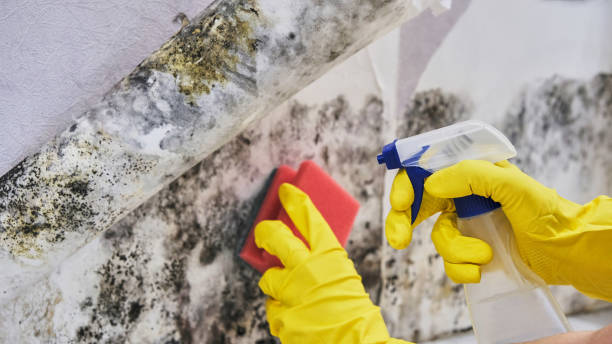
Mold is not just an unsightly problem; it can pose significant risks to both your property and health. Often, mold thrives in hidden areas, making it difficult to detect early without a professional mold inspection. Understanding when you need a mold inspection and its importance can help safeguard your home and loved ones.
Signs That You May Need a Mold Inspection
- Visible mold growth: Even small patches of visible mold could indicate larger problems.
- Musty odors: Persistent, earthy smells often point to hidden mold growth.
- Water damage: Leaks, flooding, or high humidity levels create an ideal environment for mold.
- Health symptoms: If household members experience unexplained allergies, respiratory issues, or skin irritation, it is worth investigating.
- Real estate transactions: A pre-purchase or pre-sale inspection ensures there are no hidden issues that could impact property value.
Why Mold Inspections Are Essential
- Early Detection: Identifying mold before it spreads can save significant time and money on remediation efforts.
- Accurate Assessment: Professionals use specialized tools to pinpoint the location of hidden mold in walls, ceilings, or HVAC systems.
- Health Protection: Preventing exposure to harmful molds—such as black mold (Stachybotrys chartarum)—can reduce the risk of serious health issues like asthma and chronic sinus infections.
- Property Preservation: Left untreated, mold can weaken structural materials like drywall and wood over time.
Who Should Perform a Mold Inspection?
A qualified professional should always handle mold inspections for accurate results. Certified inspectors have access to advanced tools such as thermal imaging cameras, moisture meters, and air quality testing equipment to identify moisture sources and contamination levels.
| Professional Inspector Tools | Purpose |
| Thermal imaging cameras | Detect temperature changes indicating water leaks |
| Moisture meters | Measure dampness levels in walls or flooring |
| Air sampling pumps | Identify airborne spore concentrations |
When Is the Right Time for an Inspection?
- After any natural disaster involving water (e.g., floods or hurricanes).
- Following persistent plumbing issues or roof leaks.
- During seasonal transitions if humidity increases indoors.
- Before moving into a new property.
A proactive approach to addressing potential problems ensures that any necessary remediation is performed before the situation worsens.
By prioritizing regular inspections when warranted, homeowners can maintain a healthy living environment while protecting their investment in the long term.
Finding the Best Mold Removal Company Lakeland, FL: Why Mold Testing Matters
Mold testing plays a critical role in identifying the presence, type, and extent of mold contamination within your home. While visual inspections provide initial clues, testing ensures a precise understanding of the problem. This process not only helps validate the presence of mold but also supports tailored remediation strategies. Below, we break down why mold testing is essential and how it influences effective mold removal.
Why Mold Testing is Essential
- Identifies Hidden Mold Growth
Mold often grows in areas that are not visible, such as inside walls, under flooring, or in HVAC systems. Testing can detect spores that may otherwise go unnoticed during a visual inspection. - Determines Mold Types
Not all molds are equally harmful. Testing identifies specific strains (e.g., black mold or Aspergillus) and helps assess the potential health risks to occupants. - Quantifies Spore Levels
By measuring airborne spore concentrations, testing provides insight into the severity of contamination and whether indoor levels exceed normal background levels. - Supports Health Assessments
For individuals with allergies or respiratory conditions, identifying the specific molds present can inform medical interventions or preventive measures.
Types of Mold Testing
- Air Sampling: Collects air samples to measure spore levels and compare indoor vs. outdoor air quality.
- Surface Sampling: Swabs or tape lifts are used to collect samples directly from affected surfaces.
- Bulk Sampling: Involves physically removing materials (e.g., drywall) for laboratory analysis.
- Culture Testing: Cultures allow labs to grow mold samples under controlled conditions to identify species accurately.
| Test Type | Purpose | Key Advantage |
| Air Sampling | Detect airborne spores | Identifies hidden issues |
| Surface Sampling | Confirm visible contamination | Targeted analysis |
| Bulk Sampling | Assess material infestation | Detailed lab results |
How Mold Testing Informs Remediation
- Pinpointing Problem Areas: Test results highlight high-concentration zones requiring immediate attention.
- Customizing Solutions: Different types of mold require different cleaning agents and techniques.
- Ensuring Complete Removal: Post-remediation tests verify that spore levels have returned to safe ranges.
- Preventing Future Growth: Insights from testing can guide recommendations on ventilation improvements or moisture control measures.
What to Expect from Laboratory Results
- A breakdown of identified species (e.g., Penicillium/Aspergillus).
- Spore counts per cubic meter of air or sample area analyzed.
- Comparisons between indoor and outdoor spore counts.
- Recommendations based on health guidelines (where applicable).
These results provide valuable data for both homeowners and professionals tasked with creating an effective remediation plan.
Understanding the role of mold testing empowers homeowners to take proactive measures against infestations while ensuring any removal efforts are precise and comprehensive.
The Importance of Mold Remediation Lakeland, FL, in Ensuring a Safe and Healthy Home
Mold testing is a critical component of identifying and addressing mold-related issues within a property. It goes beyond visual inspection to determine the type, concentration, and spread of mold spores, enabling a more targeted and effective remediation process. Below, we explore the importance of mold testing, the methods used, and how it fits into the broader strategy for mold removal.
Why Is Mold Testing Important?
- Accurate Identification: Not all molds are harmful or require remediation. Testing helps distinguish between harmful molds (e.g., Stachybotrys chartarum, commonly known as black mold) versus non-toxic strains.
- Extent of Contamination: Testing can reveal whether mold has spread into hidden areas such as HVAC systems, behind walls, or under floorboards.
- Air Quality Assessment: Mold spores can affect indoor air quality. Testing evaluates spore concentration in the air to assess potential health risks.
- Post-Remediation Verification: After remediation, additional testing confirms that all mold has been effectively removed.
Types of Mold Testing Methods
| Test Type | Description | Use Case |
| Air Sampling | Captures airborne spores for analysis in a laboratory. | Assesses indoor air quality and spore concentration. |
| Surface Sampling | Collects samples from physical surfaces using swabs or tape lifts. | Identifies visible growth areas on walls or furniture. |
| Bulk Sampling | Involves removing sections of material (e.g., drywall) for laboratory analysis. | Determines deep contamination in building materials. |
| Culture Testing | Spores are cultivated in controlled environments to identify specific species present. | Useful for identifying species requiring special handling. |
These tests may be combined based on the severity or nature of contamination.
When Should You Consider Mold Testing?
- Visible Signs of Mold Growth
If discoloration or fuzzy patches appear on walls, ceilings, or other surfaces. - Unexplained Health Symptoms
Persistent allergies, respiratory issues, or headaches may indicate elevated spore levels. - Water Damage Events
Flooding or leaks often create an ideal environment for hidden mold growth. - Property Transactions
Ensuring a property is free from mold issues before buying or selling can prevent future liabilities. - Post-Remediation Checks
Verification through testing ensures that cleanup efforts have been successful.
Role of Mold Testing in Effective Removal
- Targeted remediation strategies prevent unnecessary demolition.
- Specialized cleaning agents can be selected based on test results.
- Helps avoid spreading spores during removal by pinpointing containment zones.
Testing also enables proactive measures by revealing potential problem areas that may not yet have visible signs of infestation but could worsen over time without attention.
Ultimately, incorporating detailed and reliable test results into your overall strategy ensures that both immediate concerns with existing infestations and long-term prevention efforts are addressed effectively—protecting your home’s structural integrity and improving indoor air quality for its occupants over time.
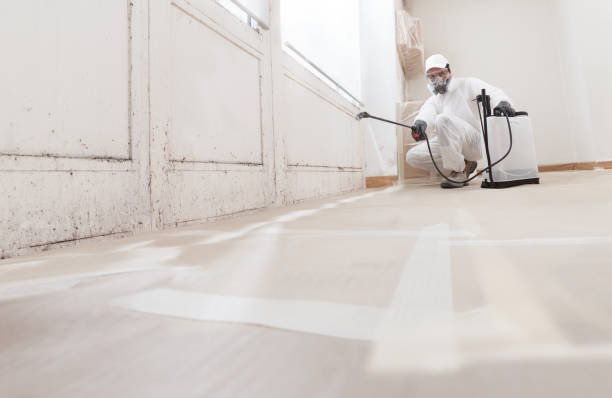
Comprehensive Mold Testing Lakeland, FL: Uncover Hidden Mold Issues
A mold inspection report is a comprehensive document that outlines the findings of a professional mold inspection. It serves as a vital resource for understanding the extent of mold presence, potential sources, and recommendations for remediation. The detailed nature of this report can help homeowners and businesses make informed decisions on how to address hidden mold problems effectively.
Key Components of a Mold Inspection Report
- Visual Observations
The inspector will document visible mold growth or areas showing evidence of water damage. This section often includes photographs to illustrate the severity and location of visible issues. - Moisture Mapping
Using specialized tools such as moisture meters or infrared cameras, inspectors map out areas where moisture levels are higher than normal. These areas may indicate hidden mold colonies behind walls, under flooring, or in ceilings. - Air Sampling Results
If air samples were taken during the inspection, this section will include lab results indicating the concentration and types of mold spores present in the indoor air. Elevated spore counts can signal active mold growth not immediately detectable through visual observation. - Surface Sampling Data
In cases where surface swabs or tape lifts were conducted, the report will detail what types of molds are growing on specific surfaces. This can help pinpoint contamination sources and assess whether different areas require varying remediation strategies. - Humidity Levels and Environmental Factors
The report may outline conditions within your home that promote mold growth, such as high indoor humidity levels or poor ventilation. Addressing these root causes is essential to prevent future infestations. - Hidden Mold Concerns
A thorough inspection often reveals hidden problem areas that aren’t outwardly obvious. Examples might include leaks inside walls, poorly sealed HVAC systems harboring spores, or hidden damp zones beneath insulation or carpets.
How Hidden Mold Issues Are Identified
- Infrared Thermal Imaging: Detects temperature variations caused by moisture behind walls or under floors.
- Borescope Inspections: Small cameras inserted into cavities give inspectors visibility inside hard-to-reach spaces.
- Building Material Sampling: Analysis from collected samples may reveal contamination lurking deep within drywall, wood framing, or other structural components.
- Odor Detection Methods: Musty smells noted during an inspection are frequently linked to concealed colonies requiring further investigation.
Why a Detailed Report Matters
| Issue Identified | Recommended Action |
| High Moisture Areas | Repair plumbing leaks; improve drainage systems |
| Elevated Airborne Spore Count | Install HEPA air filters; dehumidify living spaces |
| Hidden Wall Contamination | Remove affected drywall; treat internal framing |
By addressing each item outlined in the report systematically, you ensure not just removal but also prevention against future occurrences.
Steps After Receiving Your Report
- Prioritize immediate actions like fixing water leaks to halt further spread.
- Consult with certified professionals for tailored remediation plans based on lab data.
- Take preventive measures by improving ventilation and controlling indoor humidity levels below 50%.
The insights provided in this type of assessment are invaluable when it comes to safeguarding your property and health against the adverse effects of hidden molds.
Expert Lakeland Mold Removal Services for Precise and Thorough Remediation
Mold remediation is a process that requires accuracy and careful planning to ensure all traces of mold are thoroughly removed. Relying on lab data can significantly enhance the effectiveness of remediation efforts, as it provides detailed insights into the type of mold present, its concentration levels, and potential health risks. Below is a breakdown of how lab data supports precise and thorough removal.
Steps Involved in Mold Remediation Using Lab Data
- A trained professional conducts an inspection to identify visible mold or signs of its presence (e.g., water damage, musty odors).
- Air or surface samples are collected from the affected areas and sent to a laboratory for analysis.
- The lab identifies the mold species (e.g., Stachybotrys, Aspergillus) using advanced testing methods like spore traps or culture-based techniques.
- Quantitative results show the concentration of mold spores, helping assess whether levels exceed acceptable thresholds for indoor environments.
- Armed with lab data, professionals design a remediation plan tailored to address the specific type and extent of contamination in your home.
- This plan may include containment strategies, removal procedures, cleaning protocols, and proper disposal methods.
- Contaminated materials such as drywall or carpeting may be removed if necessary based on the severity indicated by lab data.
- HEPA vacuuming, air filtration devices (AFDs), and antimicrobial treatments are employed to eliminate spores identified by testing.
- After completing remediation efforts, additional samples are taken to confirm that mold spore concentrations have returned to normal levels as indicated by comparison with initial laboratory reports.
Benefits of Using Lab Data
- Improved Accuracy: Identifying specific molds helps determine their origins (e.g., HVAC system vs. water-damaged walls). Different molds require different treatment approaches.
- Tailored Solutions: Knowing spore counts informs decisions about containment zones and ventilation adjustments during removal.
- Health Protection: Certain molds pose greater risks; understanding their toxicity helps safeguard your family’s well-being during remediation.
- Cost Efficiency: Avoiding generalized treatments reduces wasteful spending on ineffective products or unnecessary labor.
Sample Summary Table for Lab Results
| Test Parameter | Example Value | Interpretation |
| Mold Type | Penicillium/Aspergillus | Common indoor molds; potential allergen |
| Spore Concentration (Air) | 3,000 spores/m³ | Elevated; requires intervention |
| Spore Concentration (Surface) | 450 spores/cm² | Surface cleaning necessary |
When Should You Consider Lab-Based Remediation?
While not all cases require lab testing, there are scenarios where it is especially beneficial: – Persistent respiratory issues among household members despite cleaning efforts. – Large-scale water damage that has gone untreated for days or weeks. – Visible mold growth but uncertainty about hidden contamination in HVAC systems or behind walls. – Recent unsuccessful DIY attempts at removing what appears to be stubborn mold.
By leveraging scientific data throughout every stage of remediation—from assessment to verification—you can achieve long-lasting results while maintaining a safe living environment for your family or occupants.
- Mold Removal Company Lakeland, FL: What It Is, Why It Matters, and When You Need It
- Understanding Why Lakeland, FL Mold Removal Is Crucial for Your Home
- Comprehensive Guide to Choosing the Best Mold Removal Company Lakeland, FL
- Essential Tips for Lakeland, FL Mold Removal and Prevention in Your Home
- Complete Guide to Choosing a Mold Removal Company Lakeland, FL Homebuyers Can Trust
- Effective Lakeland, FL Mold Removal: Causes, Prevention, and Safe Removal Methods